


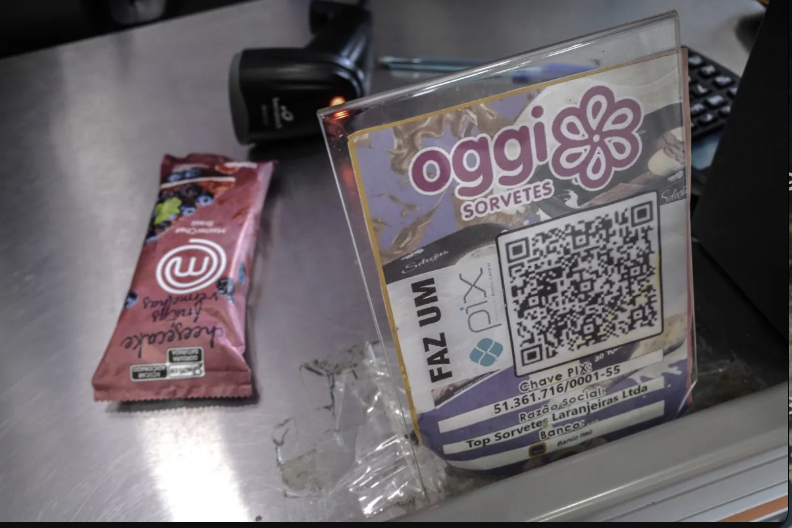
Pix, launched in 2020 by the Central Bank of Brazil, has become the national payment infrastructure, with 56 billion transactions in 2024. The mobile banking user rate has risen to 90%, surpassing the US (75%) and the UK.
With AI integrated into WhatsApp, users can send money simply by text, voice message, or an image of the recipient’s QR code. Transactions are authenticated via biometrics or a password within the banking app, and a receipt is displayed directly in the chat window.
According to Guilherme Horn, Head of Strategic Markets at WhatsApp, Brazil has become a “cradle of AI innovation in finance,” thanks to the combination of embedded AI and the nation’s most popular messaging platform (90% of the population uses WhatsApp).
KPMG notes that Brazil is outpacing the US, China, and Europe in unique AI application areas—such as integrating instant payments and conversational banking. Fierce competition, a modern regulatory framework, and high consumer adoption have created an ideal environment for innovation.
Febraban – Deloitte statistics (2025):
- 88% of Brazilian banks prioritize GenAI research.
- 41% focus on blockchain, asset tokenization, and AI user interfaces.
Fintechs are accelerating the pace: Mercado Pago (part of MercadoLibre) launched a personal finance AI assistant that analyzes account data to recommend spending. PicPay reported a 45% increase in user satisfaction after implementing GenAI.
However, major challenges remain:
- Uneven technological infrastructure across different regions.
- A shortage of specialized AI talent outside of major cities.
- Cybersecurity risks, as social media scams remain common.
Despite this, banks affirm that Pix via WhatsApp has two-factor security authentication and has recorded no breaches.
📌 Summary: Brazil is proving that generative AI and an instant payment infrastructure can transform a messaging app into a comprehensive banking platform. With 90% of the population accessing services via mobile and 56 billion Pix transactions annually, Brazil is no longer “catching up” to the world—it is leading the era of conversational finance, where “sending money” is as simple as “sending a message.”
