


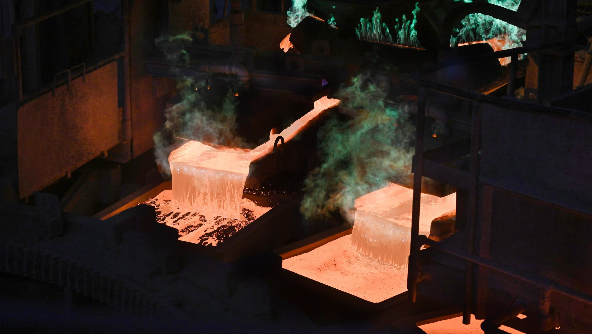
- Global copper demand is skyrocketing as AI data centers and green grid infrastructure use massive amounts of copper: 27–33 tons/MW, more than double that of conventional data centers. BHP forecasts that by 2050, copper usage in data centers will increase sixfold.
- Supply is stagnant: Old mines (some over 100 years old) are depleting, and new mines are rare. The International Energy Agency (IEA) forecasts that by 2035, production from existing mines will meet only 70% of global demand.
- Wood Mackenzie warns of a 304,000-ton deficit of refined copper in 2025, and this gap will widen thereafter. Copper prices have reached 11,000 USD/ton, a sharp rise from 8,500 USD two years ago.
- The Resolution Copper mine in Arizona – an investment of over 2 billion USD – was expected to supply 25% of annual US copper demand for 40 years, but is stalled due to legal disputes with the San Carlos Apache tribe over the sacred Oak Flat land.
- The US has only 2 active copper smelters, while China controls 50% of global smelting capacity and 58% of demand in 2025. Beijing is seen as the “gatekeeper” of the global copper supply chain.
- Incidents at major mines (Codelco, El Teniente, Glencore, Antofagasta) and rising costs have concentrated supply risks. The 20 largest mines currently produce about 1/3 of the world’s total copper output.
- From 1990–2023, only 14 new mines were discovered out of 239 — proof that “the era of easy mining is over.”
- The mining industry faces community opposition, environmental risks, drought in Chile, and high construction costs for new smelters, causing investors to hesitate.
📌 Global copper demand is skyrocketing as AI data centers and green grid infrastructure use massive amounts of copper: 27–33 tons/MW, more than double that of conventional data centers. It is forecast that by 2050, copper usage in data centers will increase sixfold. Supply is stagnant: Old mines are depleting, and new mines are rare. By 2035, production from existing mines is forecast to meet only 70% of demand. China controls 50% of global copper smelting capacity and 58% of demand in 2025, and is seen as the “gatekeeper” of the global copper supply chain.
