


- China is pushing AI, robotics, and electric vehicles (EVs) to offset the real estate downturn, but the scale of contribution from these new sectors remains too small to create a growth surge.
- In the 2023–2025 period, new sectors contributed only 0.8 percentage points to GDP, while real estate and traditional sectors declined by a total of 6 percentage points.
- Beijing has set a GDP growth target of around 5% annually, but to achieve this, new sectors would need to scale up 7 times over the next 5 years.
- This year alone, China needs an additional 2.8 trillion yuan in new investment (≈ 390 billion USD), an increase of 120% compared to 2025.
- AI and robotics may see short-term growth, but other new sectors will struggle to maintain high speeds; EVs are believed to have passed their fastest growth phase.
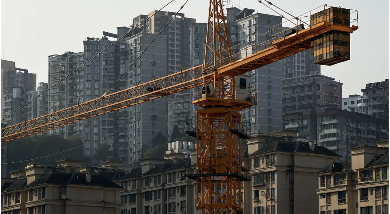
- Real estate once accounted for over 25% of the economy, but new home sales last year fell to their lowest level since 2009.
- According to KKR, the real estate weakness could drag GDP down by 1.2 percentage points in 2026; even if digital technology contributes 2.6 points, growth would still be only around 4.6%.
- Automation and robotization could cause the loss of up to 100 million jobs in 10 years, while the urban unemployment rate is already over 5%, and youth unemployment is about 3 times higher.
- With domestic investment insufficient to create demand, China will depend more on exports, making the economy vulnerable to tariffs and new trade tensions.
- The US, EU, and Mexico have increased tariffs on Chinese goods, especially cheap EVs.
📌 The strategy relying on AI and high-tech helps China build a long-term foundation but lacks sufficient power to pull the economy in the short term. The real estate slump, job losses due to automation, and increasing reliance on exports make the 5% growth target difficult to achieve, as new sectors would need to expand 7-fold in the next 5 years to meet this level. Automation and robotization could eliminate up to 100 million jobs over a decade, while urban unemployment exceeds 5% and youth unemployment is roughly three times higher.
