


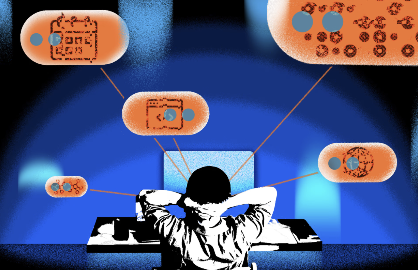
- A new trend is spreading across Silicon Valley as tech engineers and investors spend time monitoring AI agents working on their behalf, much like managing a team of “virtual interns.”
- At tech gatherings in San Francisco, many people still keep their laptops open to check if their bots are continuing to work or making mistakes.
- AI agents are currently assigned various tasks such as writing code, managing schedules, replying to emails, and performing other repetitive jobs.
- Many set up bots to work through the night or while they are at parties, then check progress frequently, similar to caring for a digital “Tamagotchi.”
- This wave is driven by new AI tools like Claude Opus 4.5 with strong programming capabilities and the OpenClaw AI assistant, which emerged rapidly in early 2026.
- Some developers say they experience “token anxiety”—the worry that their bots aren’t being given enough work or aren’t operating efficiently.
- According to research by Model Evaluation and Threat Research, the new version of Claude can complete tasks equivalent to 12 hours of human labor.
- This is changing the definition of programming: the best engineers no longer write code directly but instead coordinate a team of AI agents.
- Some engineers report that they haven’t written a single line of code in months, only giving commands to AI.
- An engineer at the startup Notion says he manages four agents simultaneously and has reached “black belt” status in the internal AI skill assessment system.
- The tech community suggests that five agents is the optimal limit for one person to manage before the system becomes chaotic.
- Bots do not need rest, insurance, or mental motivation, allowing them to work continuously.
- However, risks have emerged where bots act unintentionally, such as automatically deleting all emails despite being asked to confirm first.
- Some engineers admit that managing agents provides a dopamine hit similar to playing strategy games like Age of Empires or StarCraft.
- Despite the surge in productivity, some programmers feel a sense of sadness as the coding skills they practiced all their lives are gradually losing their role.
📌 Silicon Valley is witnessing a major shift in work as programmers move from writing code to coordinating teams of AI agents. Many set up AI agents to work through the night or while at parties, checking progress like caring for digital “Tamagotchis.” Tools like the new Claude can complete tasks equivalent to 12 hours of human labor, causing many engineers to manage 4–5 bots at once. While accelerating software development, this trend also raises concerns about AI acting out of control and traditional coding skills becoming less necessary.
