


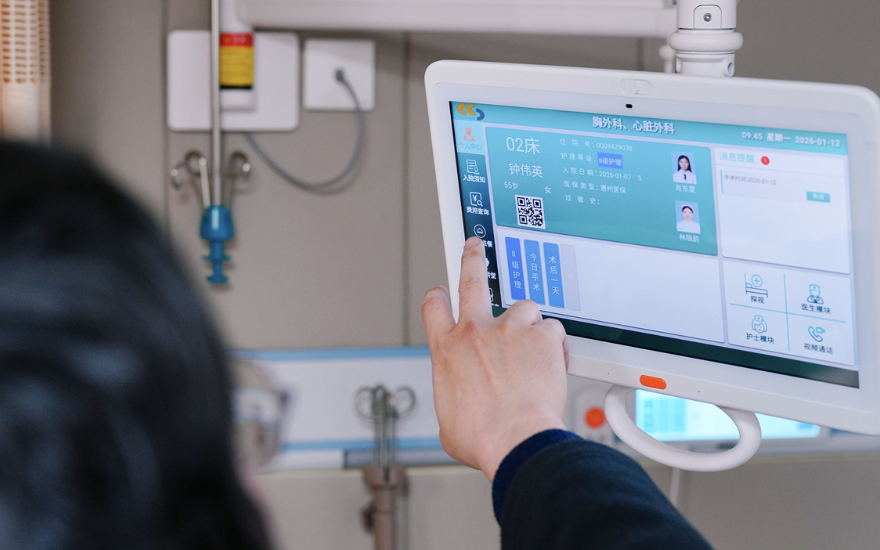
- China launched its first AI hospital in Boao (Hainan), integrating AI into the entire medical examination and treatment process.
- Patients can upload health data in advance; AI will classify, warn of risks, and prepare medical records before they arrive at the hospital.
- Post-treatment, the system continues monitoring, providing medication reminders, and long-term health management.
- The AI hospital model connects offline examinations with online services, creating a continuous care chain instead of fragmented visits.
- The system utilizes “agents” like “thousand-disease agents” to analyze illnesses and propose appropriate treatments.
- AI can track global medicines and medical devices, helping patients access new treatments faster.
- The Lecheng area has served over 200,000 patients and introduced more than 500 types of advanced drugs and devices.
- China has developed about 300 medical AI models and processed over 68 million remote imaging diagnoses.
- The AI hospital shifts the model from “treating symptoms” to “continuous and proactive health monitoring.”
- However, concerns remain regarding high investment costs, information overload, and ethical/regulatory issues.
📌 Conclusion: The AI hospital in China marks a shift from treatment to continuous healthcare, with over 200,000 patients benefiting and 300 medical AI models deployed. The system helps reduce waiting times and costs while expanding access to high-quality medical care. Nevertheless, challenges in management, cost, and ethics still need to be addressed for this model to become truly widespread in the future.
