

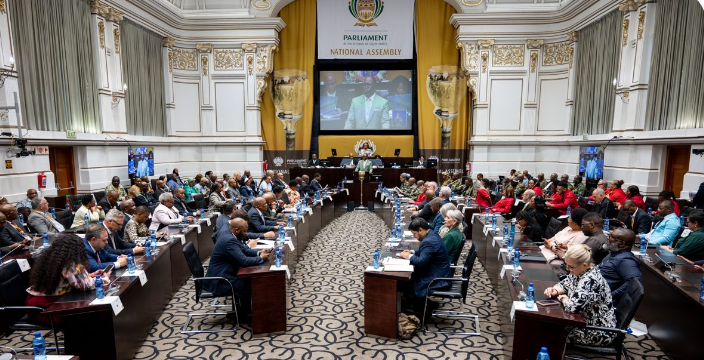
- South Africa was forced to withdraw its draft national AI policy after discovering that many citations in the document were fake and showed signs of being created by generative AI.
- The document was nearing completion in Parliament when non-existent references were discovered in the source list.
- Communications and Digital Technologies Minister Solly Malatsi declared on April 26 that this incident seriously damaged the integrity and reliability of the policy.
- He emphasized that this was not a mere technical error but a consequence of a lack of verification when using generative AI.
- The initial draft proposed the establishment of a national AI commission, an ethics council, and a separate regulatory body.
- The policy also included tax incentives, subsidies, and support funds to boost private sector investment.
- South Africa aims to become Africa’s leading AI innovation hub.
- The issue of “AI hallucinations” continues to spark controversy as it creates misinformation, especially in legal documents.
- Over 900 cases in the US have recorded lawyers using AI documents containing fake citations.
📌 The incident forced South Africa to pause its AI leadership ambitions when a key policy was withdrawn due to serious data verification failures. Fake citations generated by generative AI undermined the document’s credibility, despite previous plans including major initiatives like regulatory bodies and economic incentives. The case also reflects global risks with over 900 similar cases, emphasizing the indispensable role of human oversight.
