


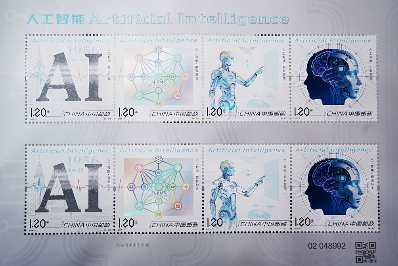
- Chinese leadership identified nearly a decade ago that AI is the technology that decides military, economic, and geopolitical power.
- ASPI launched the “AI Under Heaven” newsletter to analyze China’s AI strategy based on original source documents.
- The report notes that Beijing’s AI goals still revolve around domestic control and international influence expansion.
- On July 15, the Cyberspace Administration of China announced that Apple completed its registration as an AI server provider in China.
- This forces Apple to comply with the information control, censorship, and propaganda regulations of the Communist Party of China.
- Last month, 29 nations participated in the World AI Cooperation Organization in Shanghai, mostly countries with limited AI capabilities.
- The 2017 AI Plan identified AI as a strategic technology and encouraged open source and international cooperation in research and governance.
- After nine years, China has built many AI laboratories, where businesses compete but also receive subsidies and strategic tasks from the state.
- Chinese AI models currently compete with US products, are available for free download, and are used from Silicon Valley to the island of Java.
- China is simultaneously promoting AI standards and governance at the United Nations, viewing AI as a foundation to shape a new international order.
📌 China views AI as a strategic tool to consolidate national power and expand global influence. From the 2017 plan to the formation of a laboratory network, promoting open source, requiring Apple to comply with domestic regulations, and attracting 29 nations to join an AI cooperation organization, Beijing is combining technology, governance, and diplomacy to build a leading position in the global AI race.
