


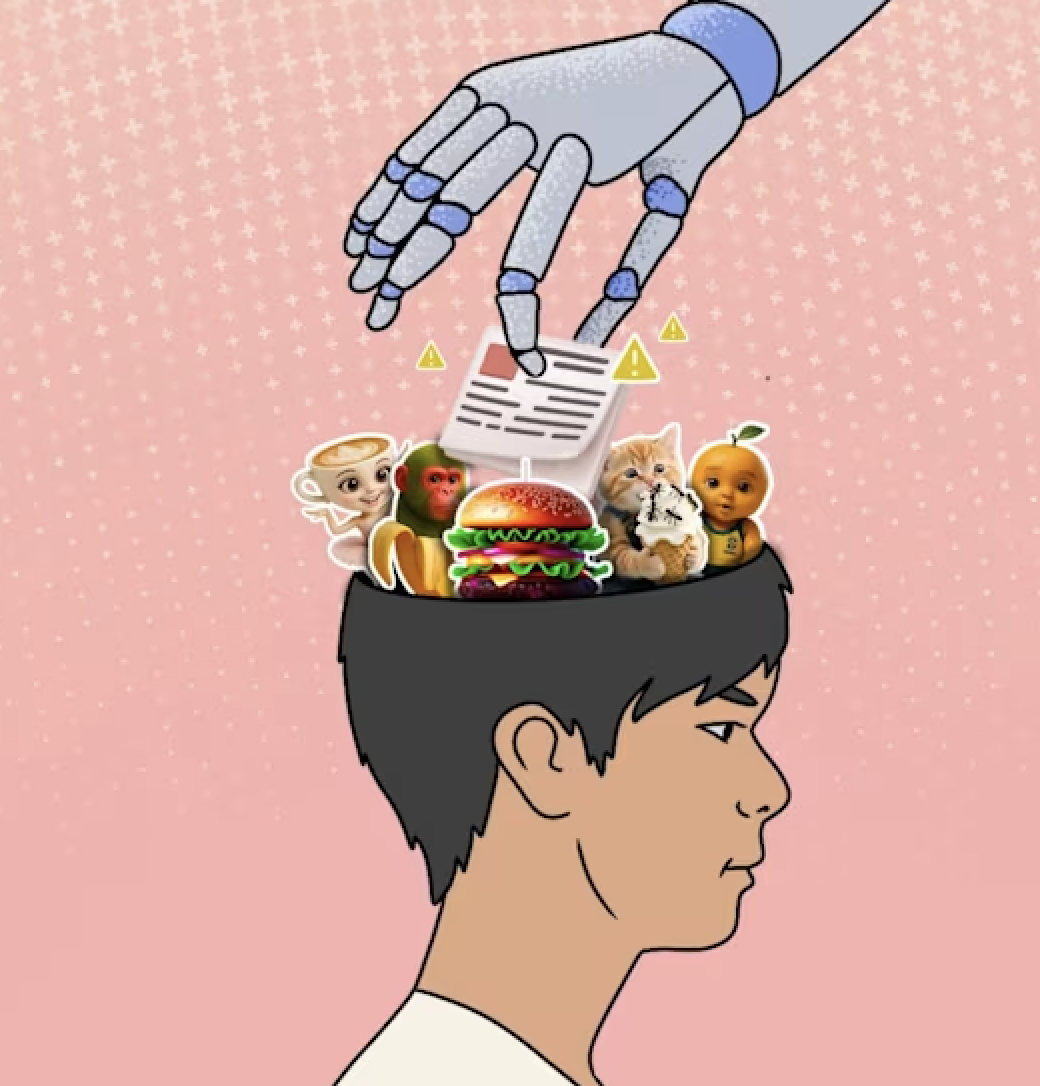
- “AI slop” refers to mass-produced, low-quality AI-generated content (videos, images, text, audio) designed to grab views, keep users on platforms, and generate ad revenue.
- In July 2025 on YouTube, 9 out of 100 fastest-growing channels exclusively posted AI content. In Singapore, the Pouty Frenchie channel, with a 16-second video of a bulldog buying a swimsuit, garnered 231 million views in 3 months.
- Recommendation algorithms “flood” viewers with AI slop after just a few days of searching. This is especially dangerous for children: 81% of Singaporean parents worry about their children’s exposure to harmful content, and 94% of children use digital devices for entertainment.
- The phenomenon of “brain rot”—the deterioration of cognitive abilities due to consuming too much trivial content—was chosen by Oxford as the Word of the Year 2024. Adolescents are particularly susceptible to reduced concentration, critical thinking, and creativity.
- Some shocking AI slop videos include cats being eaten from the inside by ants, and orange-headed babies jumping off trains… all to increase viewer retention. This content can cause confusion, anxiety, and even resemble gambling addiction mechanisms.
- Beyond entertainment, AI slop has spread to fake recipe websites, fake news, and even impersonations of reputable sites like ESPN and CBS to earn ad money. DoubleVerify found over 200 such AI-generated pages.
- During the North Carolina floods (2024), fake AI images of victims spread, making it difficult for rescuers to verify real information and delaying aid.
- Creators profit from low costs: a simple prompt, AI-generated visuals/voices, and quick assembly into a video. Some online guides teach how to earn thousands of USD per month from AI slop.
- Long-term consequences: reduced concentration, digital fatigue, “apathy towards the absurd,” and the impoverishment of the internet environment (the “enshittification” phenomenon).
- Experts suggest: transparent AI labels, regulations to protect children, and teaching “AI literacy” (the ability to understand and differentiate AI content). IBM, Meta, and the AI Alliance have promoted safety standards like AI Fact Sheet 360s.
- However, the major challenge lies in economic incentives and algorithms that prioritize shocking content. Once viewed, it’s hard to disengage because the brain tends to react to “unusual novelty.”
📌 AI slop is rampant, with AI channels reaching 231 million views in 3 months and over 200 fake websites spreading junk news. This content harms children’s brains, reduces concentration and critical thinking, and causes “brain rot.” Besides impoverishing internet information, it also poses real risks during crises. Solutions include transparency, AI literacy education, and stricter laws to protect users, especially children.
