

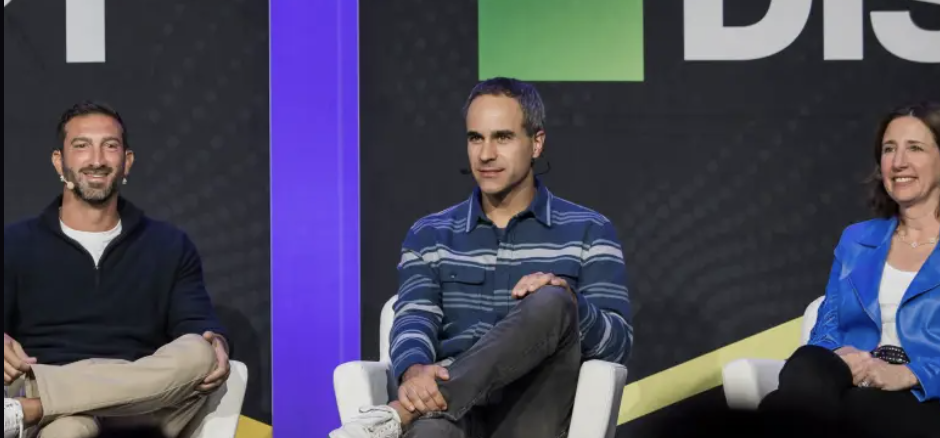
The Go-to-Market (GTM) strategy – the way a startup brings its product to market – is undergoing profound change in the AI era. At TechCrunch Disrupt 2025, Max Altschuler (GTMfund) suggested: “AI enables businesses to do more with less resources,” but emphasized that foundational knowledge in marketing and industry expertise remains indispensable.
Alison Wagonfeld, Vice President of Marketing at Google Cloud, affirmed: “Even with AI, the marketing profession still requires human empathy – from researching behavior and emotions to content creation.” She stated that AI helps teams deploy campaigns faster, measure performance from multiple dimensions, and optimize messaging based on real-time data.
According to Wagonfeld, GTM hiring trends are shifting: instead of seeking “narrow specialists” in SEO, advertising, or B2B, companies prioritize personnel with a curious mindset, technological understanding, and the ability to connect data with customer emotions – an element considered the most important skill today.
Marc Manara, Head of Startup Segment at OpenAI, noted that AI has become a “core GTM tool” in many startups. Beyond saving human resources, AI also unlocks unprecedented depth in personalization:
- AI supports more precise lead generation, not just querying data but also understanding context, behavior, and interaction signals.
- In inbound marketing, AI helps lead scoring with superior accuracy, allowing startups to focus on the highest-value customers.
Manara emphasized: “It’s not just about doing more with less, but about doing things more correctly with fewer errors – thanks to AI monitoring market signals better than ever before.”
The combination of Generative AI and advanced data analytics helps startups not only run campaigns but also automatically design messages, create content, and predict customer reactions, accelerating the speed of testing and market response to a new level.
However, experts caution that AI cannot replace strategic thinking and human creativity – the factors that help a brand differentiate itself in an environment of “mass automation.”
📌 Summary: OpenAI and Google concur: AI is redefining the entire go-to-market cycle – from customer research, content creation, lead scoring, to performance measurement. Successful businesses in this era need not only AI tools but also a team that knows how to leverage AI creatively, flexibly, and with human empathy. AI may change how we approach the market, but the “art of reaching the customer” remains the work of humans.
