

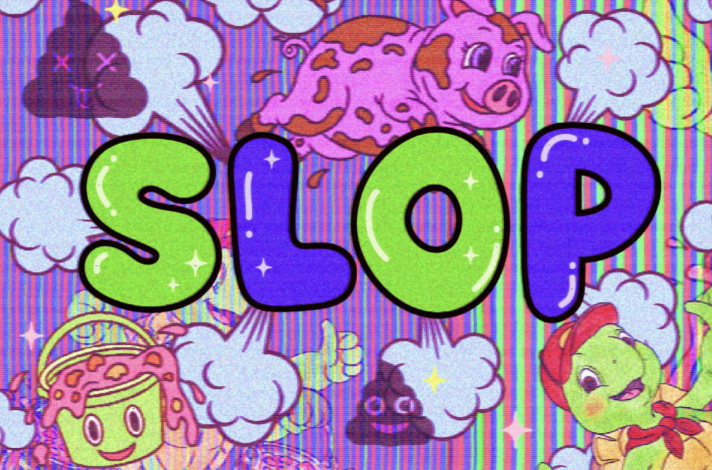
- Merriam-Webster has announced “slop” as its 2025 Word of the Year, reflecting the explosion of low-quality digital content, particularly driven by generative AI.
- Merriam-Webster President Greg Barlow describes “slop” as simultaneously compelling, unsettling, and ridiculous, deeply tied to the wave of AI technology transforming society.
- The word “slop” dates back to the 18th century, originally meaning mud or slush, later expanding to something of little value, and is now defined as “low-quality digital content, often mass-produced using AI.”
- Examples of “AI slop” include nonsensical videos, bizarre advertisements, cheap propaganda, realistic-looking fake news, and AI-written garbage e-books.
- While AI video tools like Sora are impressive, they have led to a surge in deepfakes, copyright infringement, and misinformation.
- AI content is being exploited for political purposes; for instance, images of the cartoon character Franklin were edited to promote military violence.
- “Slop” evokes unpleasant imagery like a dirty pig trough, symbolizing AI products mixed with bias, offense, or nonsense.
- Despite the concerns, Merriam-Webster suggests the spike in searches for “slop” shows users are becoming more alert and yearning for real, authentic content.
- The Word of the Year selection process is based on a surge in search data and editorial consensus.
- Other notable words of 2025 include: 6-7, performative, gerrymander, touch grass, conclave, tariffs, and Lake Chargoggagoggmanchauggagoggchaubunagungamaugg.
- In 2024, the Word of the Year was “polarization,” reflecting political divisions in the US.
- The new 2025 dictionary edition adds over 5,000 new words, showing how language changes rapidly alongside digital society.
📌 Summary: Merriam-Webster’s choice of “slop” as the 2025 Word of the Year highlights the boom of low-quality AI-driven content. This reflects a growing public awareness and a desire to return to true human creativity in an era where AI is ubiquitous but not as “smart” as expected.
