


- South Korea has enacted a comprehensive national law called the Basic AI Act, aimed at building public trust in AI technology.
- The law arrives amid a massive boom in generative AI: according to Microsoft’s AI Economy Institute, generative AI usage in South Korea has increased by over 80% since October 2024, the highest in the world.
- The Basic AI Act requires enhanced human oversight and disclosure obligations when AI is used in sensitive sectors.
- The law also mandates labeling, such as watermarking, for machine-generated content to reduce confusion with real content.
- South Korea’s first AI shock occurred nearly 10 years ago when Google DeepMind’s AlphaGo defeated Go master Lee Sedol in Seoul.
- That event was seen as an early warning, helping South Korean society realize the strategic importance of AI.
- After ChatGPT, South Korea became one of the fastest countries to integrate AI into the real economy.
- Microsoft attributes this to the significantly improved Korean language capabilities of large language models like GPT-4o and GPT-5.
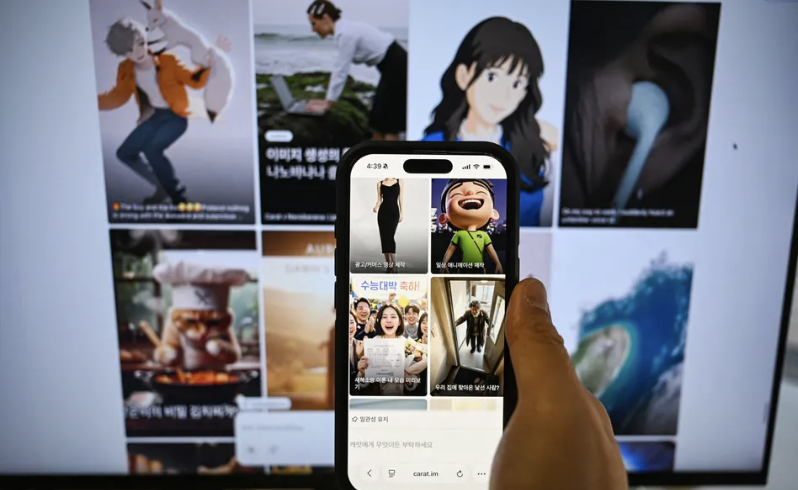
- The viral trend of Studio Ghibli-style images in April 2025 also contributed to establishing long-term usage habits.
- Government policies, including the Basic AI Act, are credited with helping AI penetrate quickly into schools, workplaces, and public services.
- South Korea currently has the second-highest number of paid ChatGPT users in the world, trailing only the U.S.
- Only 16% of citizens say they are “more concerned than excited” about AI, much lower than the global average of 34% and the U.S. average of 50%.
- However, the country also faces high risks from “AI slop” and was an early victim of deepfake pornography crises.
- The Basic AI Act is inspired by EU legislation but was implemented earlier, aiming to create a “trusted foundation” before AI expands too rapidly.
- Closely monitored sectors include credit approvals, nuclear facility management, and other critical systems.
- Critics worry the law remains vague and may place greater pressure on startups compared to Big Tech.
- The South Korean government has shown signs of listening to business feedback during the implementation process.
- With 98% of the population online and the highest industrial robot density in the world, South Korea is a “living lab” for AI policy.
📌 Conclusion: South Korea’s Basic AI Act is inspired by EU law but implemented earlier, aiming to create a “trusted foundation” before AI expands too quickly. Areas under strict supervision include credit screening, nuclear facility management, and other vital systems. In a context where generative AI has surged over 80% in just one year, the greatest challenge is not speed but social trust. If South Korea proves that AI can scale rapidly while controlling fraud, deepfakes, and abuse, it will become a model for nations struggling to balance innovation and risk.


