

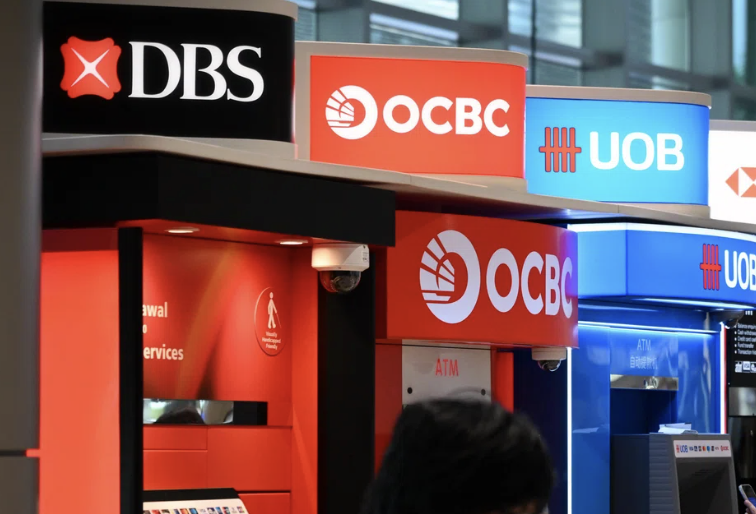
- Singapore is launching a large-scale AI retraining program for all 35,000 domestic employees of DBS, OCBC, and UOB over the next 1–2 years.
- The government is working closely with major banks and the Monetary Authority of Singapore (MAS) to simultaneously drive AI adoption and control risks.
- The primary focus is agentic AI, which allows models to act autonomously and process multi-step tasks, far exceeding previous AI tools.
- An AI tool at OCBC can complete the workload of a private banker in 10 minutes instead of an entire day.
- MAS has been involved early on to assess risk controls, hallucination responses, and incident management procedures.
- An implicit goal is to avoid the waves of mass layoffs seen in the US and Europe.
- Banks could expand the number of clients per relationship manager from 50 to 60–70.
- DBS utilizes an internal AI assistant that handles over 1 million prompts per month; some tools have helped reduce call handling time by 20%.
- UOB has deployed over 300 AI use cases and provided Microsoft Copilot to its entire workforce.
- DBS is not cutting permanent staff but expects to reduce approximately 4,000 temporary positions over the next 3 years.
- AI could help DBS increase its profit before tax by S$1.6 billion, a 17% increase.
- The government supports up to 90% of salaries for retraining mid-career workers.
- Younger employees fear that AI will cause basic skills to lose their competitive edge, while older workers face the pressure of extra studying after hours.
📌 Conclusion: Singapore is deploying a massive AI retraining program for all 35,000 domestic employees of DBS, OCBC, and UOB within the next 1–2 years. The focus is on agentic AI, enabling models to act autonomously and handle complex multi-step processes beyond previous AI capabilities. The government is supporting up to 90% of salaries to retrain mid-career workers.
