


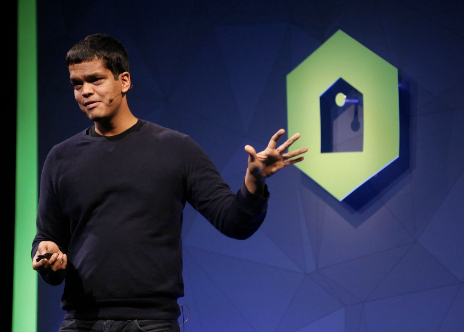
- White House Senior AI Policy Advisor Sriram Krishnan urged the European Union to focus on innovation rather than tightening regulations at a Tony Blair Institute event on the sidelines of the India AI Impact Summit on February 18, 2026, in New Delhi.
- He heavily criticized the EU AI Act, passed in 2024 to mitigate technological risks, stating that the text is “not conducive to entrepreneurs building foundational technologies.”
- Krishnan assessed that the “atmosphere” in the EU focuses too much on governance and pessimistic thinking about risks, weakening competitiveness in the AI sector.
- An example cited was Peter Steinberger, the Austrian developer behind the OpenClaw personal AI assistant platform, who moved to the US to join OpenAI.
- This view reaffirms the US’s long-standing stance opposing the EU AI Act, amidst increasingly tense tech competition across the Atlantic.
- Conversely, Krishnan praised India’s approach as pro-innovation, prioritizing development over focusing on risk control.
- The draft declaration of the New Delhi summit did not mention safety factors, indicating a shift in policy focus.
- Since the first AI Summit in the UK in 2023, annual summits have gradually shifted from discussing risk governance to promoting investment and business deals.
- The event gathered many international leaders, including EU tech official Henna Virkkunen and French President Emmanuel Macron.
📌 White House Senior AI Policy Advisor Sriram Krishnan calls on the European Union to focus on innovation rather than tightening AI regulations. This shows that the US continues to oppose the EU’s 2024 AI Act, arguing that overly heavy regulations could drive entrepreneurs from Europe to the US. While the EU prioritizes risk mitigation, the US and India promote an approach leaning towards innovation and investment. The fact that the draft declaration of the AI Summit in India does not mention safety factors reflects a global trend shifting focus from risk management to economic development in the AI sector.
