



- Physical AI is moving beyond computers into real-world machinery such as trucks, robots, and construction equipment, enabling autonomous operation without direct human involvement.
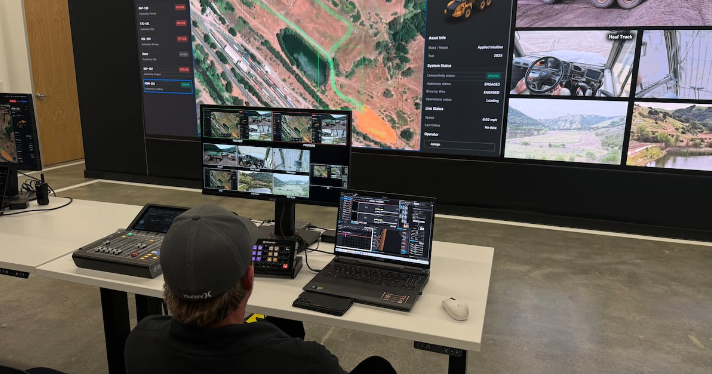
- At Applied Intuition’s headquarters, automated construction equipment transports materials, avoids obstacles, and only requires remote intervention when high precision is needed.
- A new operating model allows just two employees to monitor an entire construction site via screens, replacing dozens of on-site workers.
- The company is valued at $15 billion, driving the trend of Physical AI following the rise of Generative AI.
- AI can be integrated into existing vehicles like trucks, drones, and military vehicles without the need to manufacture new robots.
- Level 4 autonomous trucks have been deployed in Japan, capable of operating almost entirely without humans.
- Only 1% of mining activities are currently automated, revealing massive potential for AI applications.
- The military drone market is expected to grow from $42 billion to $260 billion by 2035, a more than six-fold increase.
- NVIDIA, John Deere, Caterpillar, and many other companies are developing AI systems for transportation, agriculture, and mining.
- The US transportation industry will need approximately 1.2 million more drivers over the next 10 years, fueling the demand for automation.
📌 Physical AI is ushering in the era of “dark factories” where machines operate autonomously in mines, construction sites, and battlefields. With a valuation of $15 billion and applications ranging from self-driving trucks to military drones, this technology reduces labor dependency, especially as the transport industry faces a shortage of 1.2 million drivers. The military drone market is projected to reach $260 billion by 2035, showing that AI is not only changing production but also reshaping the global economy and defense.


