


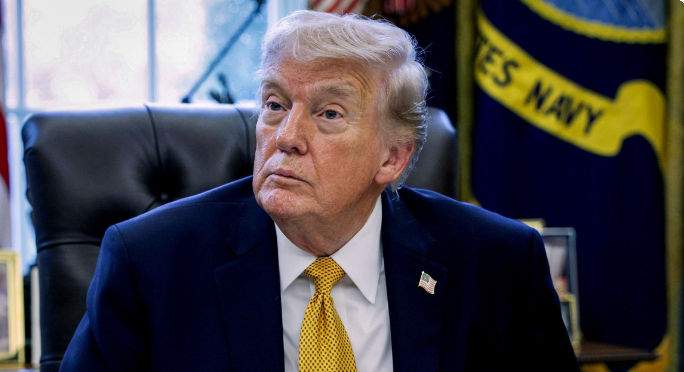
- The US federal government under President Trump opposes states enacting their own AI laws, arguing it undermines global competitiveness.
- However, many states like California are proceeding to impose safety and privacy regulations on AI companies.
- Governor Gavin Newsom signed an executive order requiring AI companies to have user protection measures and report risks.
- Over 100 state-level laws have been enacted, including bans on chatbots for children and requirements for AI system security audits.
- The conflict between states and the federal government has become a major “policy battle” involving jobs, education, national security, and child safety.
- The White House proposes restricting state-level laws and even threatens to cut funding or sue non-compliant states.
- Many states continue to legislate because the US Congress has yet to pass comprehensive AI laws at the federal level.
- Nearly 40 states have introduced bills related to deepfakes, child safety, and AI transparency.
- Big tech companies have spent hundreds of millions of dollars lobbying for policies favorable to the AI industry.
- The controversy also involves energy costs for data centers and the broad economic impact of AI.
📌 The battle between the federal government and US states over AI regulation is escalating, with over 100 state laws despite opposition from the central government. While the White House prioritizes global competition, states focus on protecting citizens from AI risks. This lack of consensus could shape how the US controls AI in the future, while significantly impacting innovation, safety, and privacy in the new technological era.


