



- The article questions whether AI can preserve the “soul” of a company through the storage and management of organizational memory.
- The author cites Kioxia, Japan’s largest NAND flash memory manufacturer, which recently surpassed Toyota to become one of the country’s most valuable companies, reflecting the growing importance of data and memory.
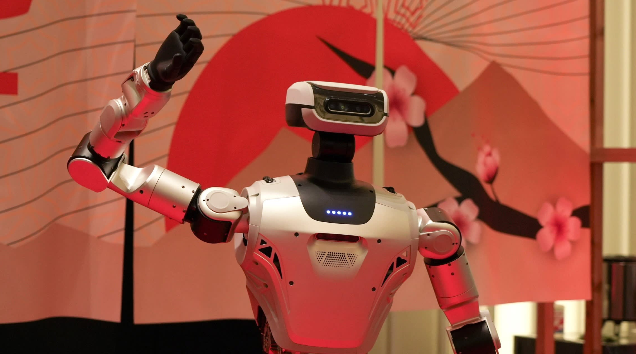
- At the Fooma 2026 exhibition, many businesses promoted robots and automation enhanced by AI as solutions to replace human labor.
- A venture capitalist argues that AI could become the ideal guardian for a company’s “institutional memory.”
- Institutional memory includes specialized knowledge, operational experience, past decisions, internal culture, and lessons from failures.
- AI has the ability to store this information more comprehensively and sustainably than humans, especially when employees resign or founders leave the company.
- Japan faces the risk of losing corporate memory as many business owners are over 70 and about 50% of companies lack a successor.
- AI can synthesize an organization’s history into a single entity, always ready for retrieval and decision-making support.
- Some believe that as AI replaces knowledge labor, the value of preserving collective knowledge will increase.
- However, the author argues that the true power of organizational memory lies in its imperfection, ability to be re-interpreted, and diversity of perspectives.
- From this viewpoint, AI tends to turn vivid stories into indexed and standardized data.
- Comprehensive digitalization of organizational memory could lead to the loss of flexibility, creativity, and the ability to re-interpret that defines corporate identity.
- The author warns that AI might inadvertently reinforce the “we’ve always done it this way” mindset, making it harder for organizations to innovate.
📌 Phân tích một ứng dụng ít được chú ý của AI: lưu giữ ký ức tổ chức. Trong bối cảnh nhiều doanh nghiệp đối mặt với nguy cơ mất tri thức do nghỉ hưu, chuyển việc và tự động hóa, AI có thể trở thành kho lưu trữ tập thể vô cùng mạnh mẽ. Tuy nhiên, ký ức doanh nghiệp không chỉ là dữ liệu mà còn là những câu chuyện, tranh luận, sai sót và cách diễn giải thay đổi theo thời gian. Nếu biến toàn bộ lịch sử tổ chức thành dữ liệu cứng nhắc, AI có thể bảo tồn thông tin nhưng lại làm phai nhạt chính “linh hồn” tạo nên bản sắc và khả năng thích nghi của doanh nghiệp.


