



- The article argues that the economic impact of AI remains difficult to predict, ranging from strong growth to the risk of an investment bubble.
- Some businesses have reduced excessive AI usage after token costs rose, leading to signs of slowing compute demand.
- However, the author contends that this reflects a scarcity of computing capacity rather than AI losing its value.
- AI companies are raising prices to allocate resources, eliminating low-value applications and prioritizing customers who generate higher economic benefits.
- Businesses continue to integrate advanced AI models into workflows even as infrastructure capacity fails to meet demand.
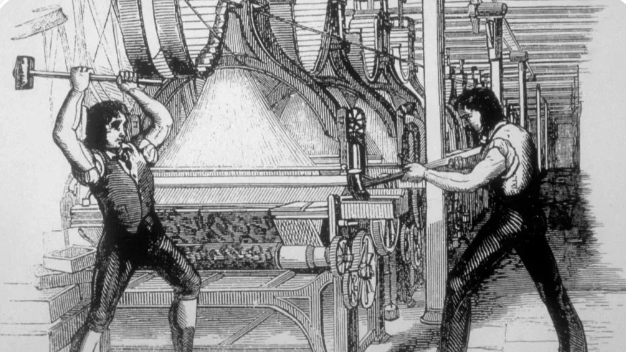
- The author compares the current period to the Industrial Revolution and the “Engels’ Pause” phenomenon, where productivity rose but workers’ wages stagnated for decades.
- According to this argument, most of the initial benefits from AI may accrue to capital owners due to the massive investment needed for data centers, chip factories, power, and robots.
- The fact that computing power prices remain high may allow labor to stay competitive with AI for a while, reducing the immediate risk of mass job losses.
- However, workers may still face pressure from slowed wage growth and a lack of investment in non-AI sectors.
- The author concludes that the greatest risk to the AI wave may not be technological or economic, but social and political reactions if inequality increases.
📌 AI could create a period similar to “Engels’ Pause,” where productivity and profits rise rapidly but workers’ incomes do not keep pace. Due to the continued massive demand for investment in data centers, power, chips, and robots, initial benefits are likely to concentrate in investors and businesses that own AI infrastructure. If the wealth gap continues to widen, social and political challenges could become the deciding factors for the future of the AI boom.


