



TNW
Malaysia is evaluating the use of Huawei AI chips for a sovereign AI project worth 2 billion ringgit, equivalent to approximately $494 million.
TNW
The project’s goal is to increase national data control and ensure that sensitive government data is stored and processed domestically.
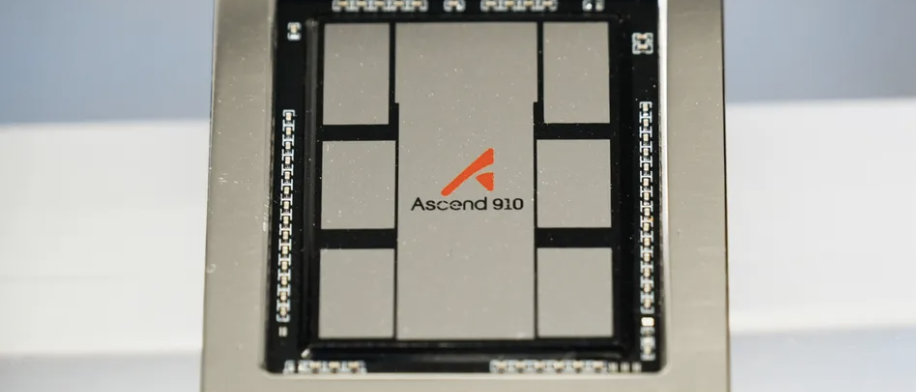
Huawei could supply Ascend 910C chips as the AI computing foundation, though the number of chips to be purchased has not yet been decided.
Bloomberg Businessweek Vietnam
If implemented, this would be the first known instance of a foreign government officially choosing Chinese AI accelerators over American technology.
TNW
Huawei is expanding its operations in the AI data center market in Southeast Asia and the Middle East to compete with Nvidia.
Supercomputing News
The US has previously warned that using Huawei’s Ascend 910C chips could violate its export control regulations.
TNW
Washington wants to promote the use of US AI hardware to prevent China from dominating global AI infrastructure as it once did in telecommunications.
Prime Minister Anwar Ibrahim has repeatedly affirmed that Malaysia does not want to be merely a technology consumer but aims to build independent AI capabilities.
The Malaysian government is concerned that the US Cloud Act could allow American authorities to compel US companies to hand over data stored overseas.
TNW
Telekom Malaysia has been selected as the primary operator for the sovereign AI project. This company has partnered with Huawei in cloud infrastructure, though its current AI service still utilizes Nvidia chips.
Supercomputing News+ 1
The US is reportedly unsatisfied because firms like Nvidia and AMD have not had adequate competitive opportunities in the project, while Washington is also preparing a complete AI solution package to expand exports to developing countries.
TNW
Malaysian officials are scheduled to visit Washington this month to discuss the issue, while the government is also considering opening a new bidding round to allow US companies to compete.
TNW
📌 Malaysia’s decision could become a major milestone in the AI competition between the US and China. The $494 million sovereign AI project involves not only the choice of AI chips but also reflects issues of data sovereignty, national security, and balancing relations between the two tech superpowers. The project’s outcome will likely influence the AI strategies of many developing nations in the near future.


