

According to The New York Times on November 7, 2026, New York-based AI law firm Crosby has purchased $5 million in AI liability insurance in preparation for directly assigning legal tasks to AI agents without lawyer oversight.
Crosby currently uses AI to perform the majority of contract review work, overseen by about 60 lawyers. The firm can complete non-disclosure agreement reviews in just 1 hour for a fixed fee.
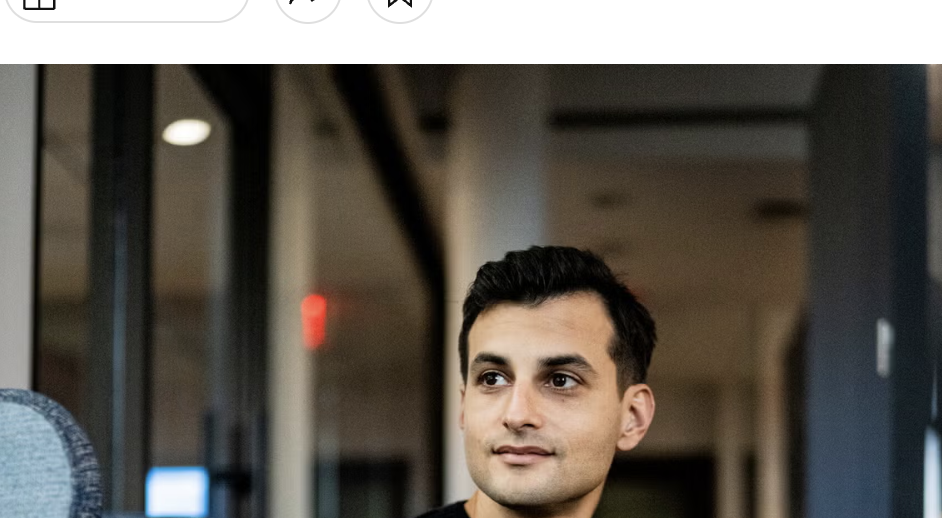
CEO Ryan Daniels aims for AI agents to independently execute all legal work by the end of 2027. Following the activation of the insurance policy, Crosby removed lawyer oversight for a group of supporting tasks accounting for about 20% of its workload.
The traditional insurance market remains unprepared for AI risks. By April 2026, at least 16 out of the 20 largest US liability insurers had sought regulatory approval to add exclusion clauses for damages from generative AI.
New insurance startups such as Testudo, Harbor, and AIUC are capitalizing on this gap. Testudo has a underwriting capacity of $1 billion with backing from the Lloyd’s of London market.
AI insurance can cover damages caused by intellectual property infringement, data leaks, output errors, property loss,and litigation costs. However, determining liability among the user, the application provider, and the model developer remains complex.
A survey of 13 legal professional liability insurers, covering over 80% of the 200 largest law firms, recorded 7 entities experiencing an increase in AI-related claims over the past year.
Legal barriers remain significant. In September 2026, California passed a law prohibiting lawyers from delegating the practice of law to generative AI. Therefore, insurance does not mean AI is legally permitted to practice independently.
📌 Conclusion: Crosby’s case marks a shift from insuring humans using AI to insuring risks arising from autonomous AI agents. The $5 million insurance policy reflects the need to establish liability allocation mechanisms when AI directly performs professional work. However, insurance only addresses financial consequences and does not replace the requirement for licensing and legal supervision. This is a notable issue when building an AI agent governance framework in high-risk fields.