

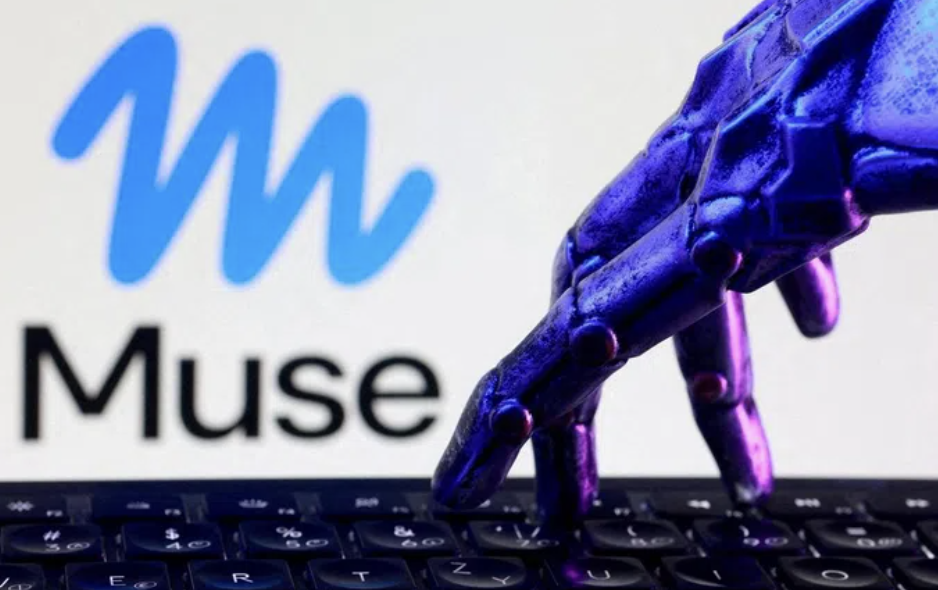
On November 6, 2026, three Singaporean agencies—CSA, GovTech, and IMDA—issued safety advisories regarding the use of personal AI agents, following Meta’s launch of Muse in Singapore.
Unlike conventional chatbots, AI agents can independently access websites, manage emails, schedule appointments,and execute transactions on behalf of users, increasing the risk of data leaks and unintended actions. Singapore outlined 5 groups of protective measures:
First, limit access permissions. Only connect necessary applications, avoid bank, government, and healthcare accounts,and do not provide passwords, OTP codes, or credit card information.
Second, maintain control. Prioritize read-only access, require approval for each instance before sending emails, deleting or sharing files, and executing important transactions.
Third, control personal data. Check what information providers collect, storage duration, the use of data for AI training or advertising, and the ability to clear memory.
Fourth, prevent attacks via malicious prompts hidden within websites, emails, documents, or images aimed at manipulating AI agents into performing unauthorized actions.
Fifth, protect the privacy of others when AI agents access emails, documents, and contact information.
Singapore emphasized that users remain responsible for the actions of their AI agents, including potential legal liability depending on the case.
📌 Conclusion: Singapore’s advisory reflects a shift in AI governance from controlling AI-generated content to controlling the access permissions and autonomous actions of AI agents. The key principle is granting minimal permissions, approving each high-consequence action, and regularly checking activity logs. Notably, Singapore warns that prompts alone cannot be relied upon to restrict AI agents; direct access controls must be established within applications and connected systems.