


- Singapore will implement a new curriculum for the Knowledge and Inquiry (KI) subject starting in 2027 to enhance thinking skills amidst growing AI prevalence.
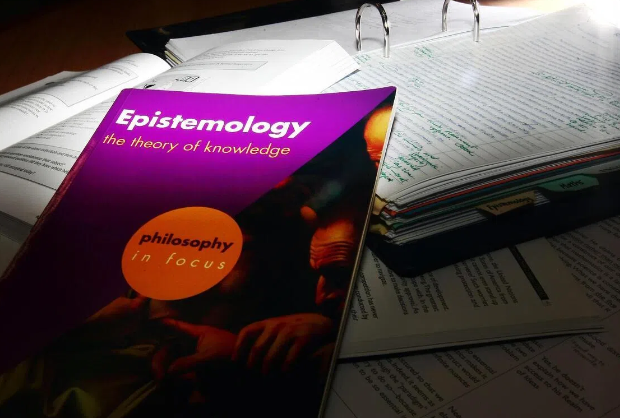
- KI focuses on epistemology—studying how humans form, verify, and use knowledge—and encourages students to question what is accepted as truth.
- The new curriculum is built on the “cognition and conscience” framework, helping students think more rigorously while considering ethical aspects as AI blurs the lines between human and machine content.
- Teacher K. Veerapandiyan at Temasek Junior College states that AI can generate very convincing answers, but that does not equate to genuine understanding.
- According to him, the value of KI lies in helping students not just know what is true, but understand why it is true, connecting information, and identifying patterns.
- The Head of KI at Hwa Chong Institution, Mr. Tan Wah Jiam, believes AI makes questions about truth, knowledge, and belief more vital than ever.
- He noted that the “seeing is believing” principle is no longer reliable as generative AI text and images become increasingly realistic, requiring students to have methods to evaluate information reliability.
- Former student Lim, 19, believes AI can assist in writing but cannot replace the human process of thinking, reasoning, and forming personal opinions.
- Teachers encourage students to read long-form materials instead of just watching short videos or summaries to train deep thinking and sustained reasoning.
- A key message of the subject is not to rush into accepting any idea, taking time to reflect and being ready to re-examine assumptions before reaching conclusions.
📌 Singapore is adjusting education to adapt to the AI era by emphasizing independent thinking capacity instead of just knowledge absorption. The new KI program from 2027 guides students toward evaluating information sources, understanding how knowledge is formed, and considering the ethical aspects of AI. In the context of increasingly convincing generative AI, the ability to ask questions, think critically, and independently form arguments is considered a core human skill.
