


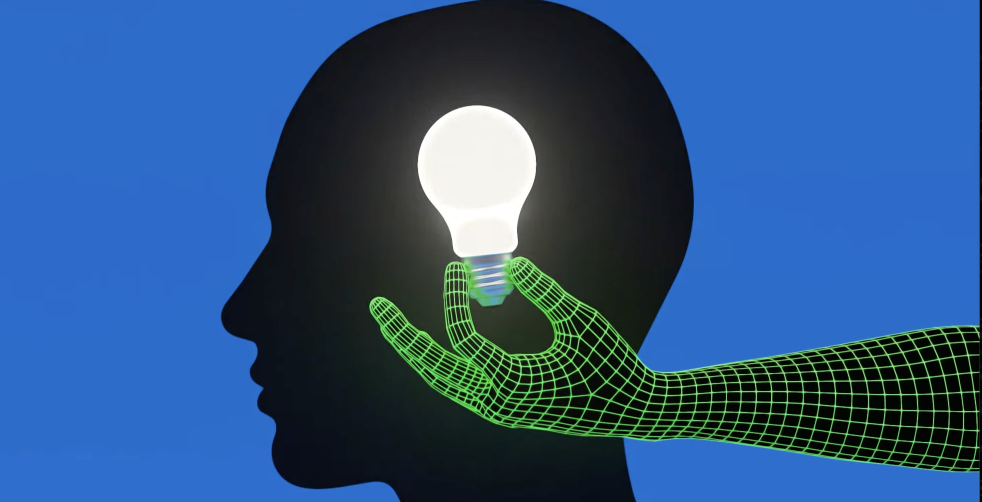
Society operates on a “division of cognitive labor”: individuals do not need to understand every field but rather know who has the appropriate expertise to seek answers when needed.
The ability to identify experts emerges early. Children aged 3 to 5 already know to ask a doctor about a broken arm and a mechanic about a tire, while older children can recognize expertise based on underlying principles rather than surface-level similarities.
However, accessing others’ knowledge can create an “illusion of explanatory depth,” causing people to confuse the knowledge possessed by experts with their own knowledge.
Experiments show that just knowing a scientist has explained a phenomenon leads participants to rate their own level of understanding higher, even before being provided with the actual explanation.
A similar phenomenon occurs with technology. People informed that an explanation of a robo-adviser is available online feel they understand the system better and are more willing to use the service than the group without access to the explanation.
The Internet produces a similar effect. After being allowed to look up information for a task, participants overestimate their ability to explain completely unrelated topics on their own.
AI chatbots can amplify the problem because they provide fast and fluent answers, blurring the boundary between “information I can access” and “knowledge I actually understand.”
Another risk is that humans apply their intuition about human expertise to AI. The fact that an LLM correctly answers an economic question does not mean the system will correctly solve algebra, nor does answering questions on moral philosophy guarantee proper assessment of ethical behavior in other situations.
📌 Conclusion: AI creates an expertise paradox: knowledge becomes more accessible, yet humans may find it harder to accurately recognize what they truly know and where AI is actually proficient. In the past, the crucial capability was knowing “which expert to ask.” In the age of AI, a new capability is required: distinguishing between one’s own understanding, the knowledge provided by AI, and the limitations of AI’s capabilities. Accessing an explanation does not mean understanding the explanation.
