


- “Vibe manufacturing” is an emerging trend that uses AI to design physical products through natural language prompts, then manufactures them using 3D printers or machining services.
- Jeff Deehan used GPT-6 Astra to design a steel mounting component for a vehicle in just five minutes, then automatically placed a manufacturing order for $156.
- The entire process, from describing the idea to placing the order, took around 10 minutes. The product was delivered 10 days later.
- Amy Zhou and Jake Fitzgerald developed an open-source “text-to-CAD” tool that has attracted more than 23,000 stars on GitHub.
- Fitzgerald used AI to design a 0.6-meter-long robotic arm, with manufacturing costs of approximately $200.
- Previously, design errors had cost Fitzgerald around $2,000 through multiple rounds of remanufacturing.
- Sourish Sharma used GPT-6 Astra to convert MRI data into a 3D brain model for printing, significantly reducing the amount of manual editing required.
- Arthur Prince combined GPT-6 Astra and Claude to design an AI-powered toy for children in one week, instead of taking several months.
- Prince commissioned the production of 10 devices in China at a cost of approximately 500 euros.
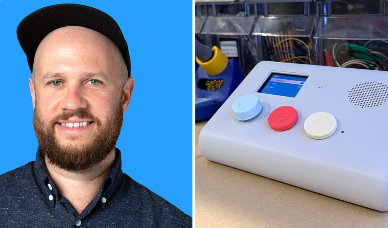
- David Plakon used AI to design an audio-recording box for children, incorporating an ESP32 chip and commonly available components.
- Plakon had to produce around 15 test prints to finalize the design, demonstrating that AI-generated designs still require real-world validation.
- The emerging trend is making design and manufacturing more accessible to individuals, but it cannot yet fully replace CAD engineers when it comes to complex products.
📌 Vibe manufacturing expands AI’s capabilities from software creation to the design and production of physical goods. The example of designing a steel component in 10 minutes for $156 demonstrates its potential to lower technical barriers and shorten product development timelines. However, the need for as many as 15 test iterations also highlights limitations in accuracy. This trend could encourage innovation among small businesses, support on-demand manufacturing and enable greater product customization.
