



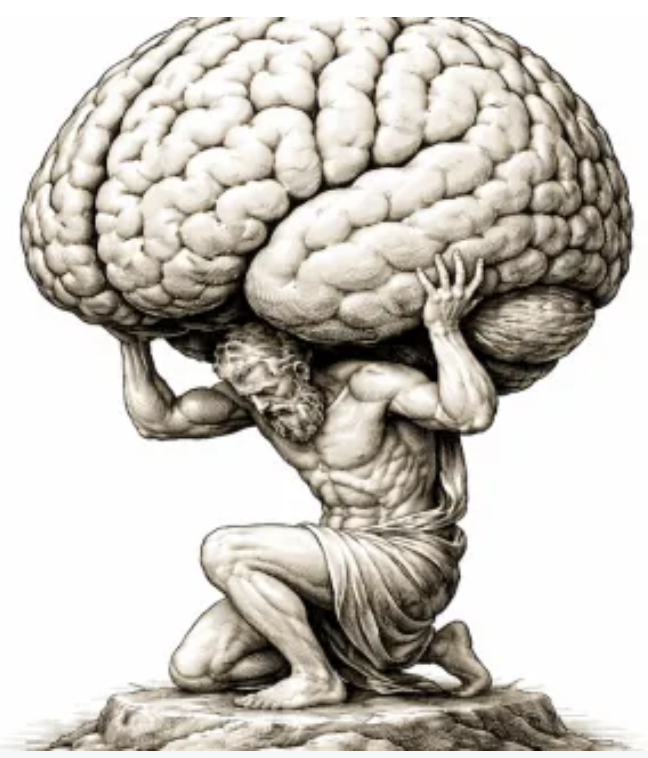
- For most of history, intellect was scarce: thinking required time, judgment was tied to life experience, and cognitive friction created value.
- AI has made intellect abundant: answers appear instantly; reasoning and synthesis are “packaged” and delivered with confidence levels exceeding humans in many fields.
- This is not just typical technological progress; it is the first time human thought itself shows signs of entering an obsolescence curve.
- Humans once replaced tools but never replaced the act of thinking; now AI is taking over faculties once considered uniquely human, such as reasoning, interpretation, and creativity.
- AI has surpassed humans in diagnostics, creativity, and many daily intellectual activities; this is no longer an experiment but an operational reality.
- Even ethics has proven easier to encode than imagined: rules, trade-offs, and taboos can be systematized within AI.
- As intellect becomes abundant, its value shifts: it is no longer about the insight itself, but the accountability for the consequences that the answer creates.
- AI provides the answers, but humans must bear the consequences; the greatest risk is not machines getting smarter, but humans gradually retreating.
- The smarter the AI, the more tempting—and dangerous—delegation becomes; errors from a powerful system carry far greater consequences.
- Human intelligence today is defined not by generating better answers, but by taking responsibility for answers we did not directly create or may not even fully understand.
- The unease of defending an AI-proposed decision is not a failure, but rather “intellect without authorship.”
- The future demands “conscious presence”: humans must remain present, supervising and taking responsibility within systems that could otherwise function perfectly without us.
📌 Summary: For most of history, intellect was scarce. AI has made it abundant. The value of intellect is shifting: it is no longer about the answer, but the responsibility for the consequences that answer produces. The smarter the AI, the more tempting and dangerous delegation becomes. Today, human intelligence is defined not by producing better answers, but by being accountable for answers we did not directly create or even fully understand. The future demands “conscious presence”: humans must continue to be present, to monitor, and to take responsibility.


