



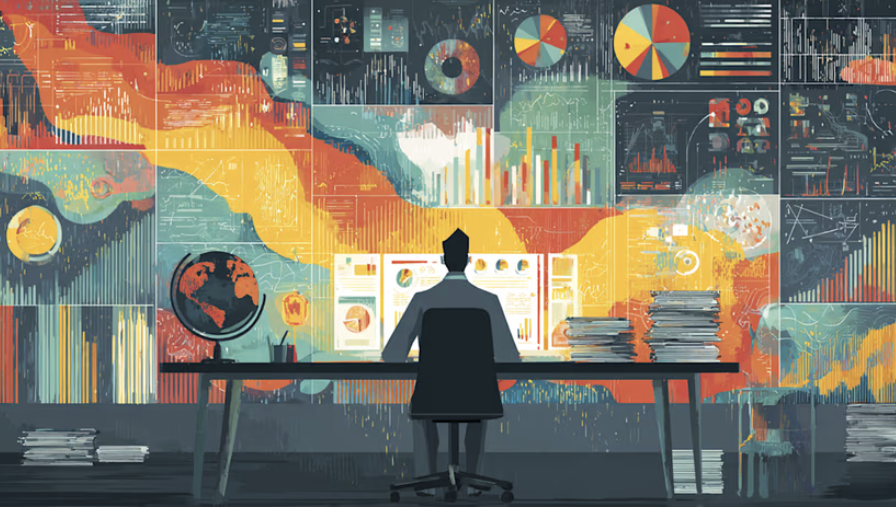
- AI is changing the way we work by allowing people to perform tasks beyond their expertise, helping engineers become more “full-stack” and completing 27% of tasks that were previously ignored.
- In the past, a lack of specialists caused many tasks to be delayed or handled superficially; AI is breaking these limits and expanding individual capabilities.
- However, AI is not perfect and is prone to “hallucinations”—errors presented with high confidence that can deceive even experts.
- The concept of “vibe work” has emerged: users work with AI with high freedom but lack initial control.
- The process of working with AI involves stages: optimism → skepticism → learning to verify and understand “AI reasoning.”
- Generalists now play the role of a “trust layer,” checking AI outputs and deciding when a real expert is needed.
- The critical skill is no longer deep specialization but critical thinking, the ability to detect bias, and information verification.
- AI does not replace experts but helps them focus on more complex problems.
- The job market is beginning to prioritize those who know how to use AI effectively over pure productivity.
- Businesses need to establish standards, oversight, and processes to turn “vibe work” into real value.
📌 Conclusion: AI is redefining the role of the generalist: from “knowing a bit of everything” to a vital censorship layer between AI and reality. With 27% of work expanded by AI, productivity increases, but so does the risk of error. A successful generalist knows when to trust AI, when to verify, and when to call in an expert. This is the key to helping businesses transform “vibe work” into a reliable and sustainable system.


