



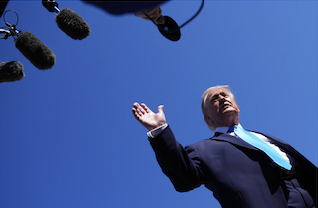
- Donald Trump canceled the signing of the AI executive order just hours before the official ceremony at the White House.
- Tech leaders, including Elon Musk and Mark Zuckerberg, called directly to warn that the new regulations could slow down U.S. AI development.
- Former AI and crypto czar David Sacks played a key role in persuading Trump to delay signing the order.
- The draft required AI companies to voluntarily share frontier models with the government up to 90 days in advance to test for cybersecurity risks and dangerous vulnerabilities.
- The administration argued that this mechanism would help the U.S. prepare its defenses against hackers or foreign adversaries exploiting AI.
- However, the tech industry feared that the “voluntary” system would turn into a de facto licensing mechanism before any new AI model could be released.
- Some officials warned that the lack of a review mechanism would provide opportunities for China to exploit AI to attack the U.S.
- David Sacks opposed it, arguing that the censorship process could cause the U.S. to lose the global AI race to China.
- The controversy occurs as models like Anthropic’s Mythos demonstrate the ability to find and exploit cybersecurity vulnerabilities at a new, dangerous level.
- Despite the delay, the executive order has not been completely canceled and is likely to return in another form in the future.
📌 This event shows that the power of Big Tech in Washington remains immense, even after Elon Musk and David Sacks left their official roles in the White House. At the same time, it reflects the deepening conflict in the U.S. AI race: between the need to accelerate innovation to compete with China and the fear that frontier AI could create unprecedented risks in cybersecurity, unemployment, and social instability.


