


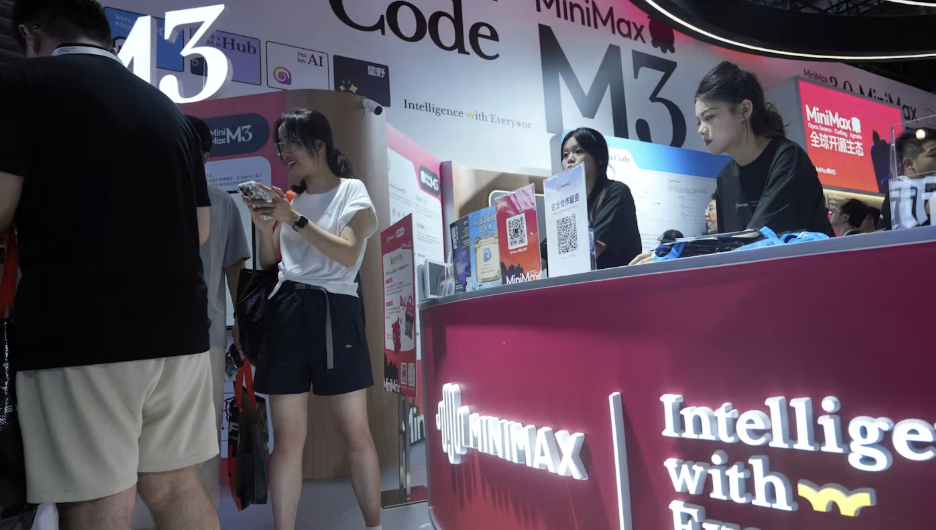
China views open-source as a pillar of national technological strategy, expanding its influence from software to AI and hardware.
Open-source is now the foundation of operating systems, servers, databases, cryptography, and numerous global digital services.
Beijing is promoting platforms such as OpenAtom Foundation, Gitee, openKylin, and openEuler to reduce technological dependence on foreign countries.
Huawei leveraged open-source Android following US sanctions before developing HarmonyOS NEXT and OpenHarmony.
China is heavily investing in RISC-V to reduce dependence on foreign semiconductor intellectual property and limit the impact of export controls.
Chinese enterprises are also participating in shaping 6G standards through the international Open-RAN alliance.
In AI, Qwen, DeepSeek, Kimi, and GLM are primarily released under an open-weight model rather than complete open-source.
OpenAI and Anthropic have accused certain Chinese enterprises of using unauthorized distillation techniques to copy models.
The US is considering restricting Chinese open-weight models, while some agencies have banned the use of DeepSeek due to security concerns.
Some Chinese AI licenses impose additional usage conditions and prioritize interpretation under Chinese law.
The author argues that the nation leading open-source technical and legal standards will hold a long-term competitive advantage.
The article proposes strengthening international frameworks such as the EU AI Act, UNESCO, and ISO/IEC 42001 for effective AI governance.
📌US-China competition has expanded from chips to open-source and AI. China is not only developing technology but also seeking to shape technical standards, licenses, and the global ecosystem. Meanwhile, the US focuses on security and intellectual property control measures. The outcome of this competition will profoundly impact how AI, open-source software, and digital infrastructure are developed and governed for decades to come.
