



King Slide Works, a Taiwanese enterprise famous for cabinet hinges and drawer slides, is becoming one of the biggest beneficiaries of the AI wave.
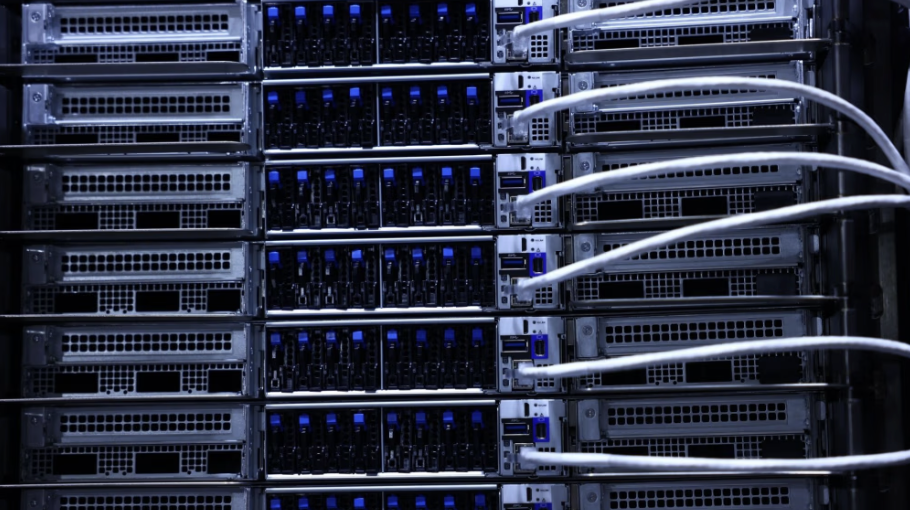
The company manufactures slide rails for AI server racks, components that bear the weight of heavy servers and support maintenance in data centers.
King Slide currently holds about 80% of the high-end slide rail market for AI servers.
The company’s stock price has surged by nearly 280% since the beginning of 2026, making founder Lin Tsung-chi the richest person in Taiwan.
Forbes estimates Lin’s net worth at around $20.2 billion, surpassing Foxconn’s Terry Gou.
King Slide’s gross profit margin for the most recent quarter reached 87%, up from about 50% a few years ago.
This profit level is higher than TSMC at about 68% and Nvidia at about 75%, and lower only than Arm at about 97%, which primarily deals in intellectual property licensing.
Management stated that over 20 years of technical investment has helped the company build a technological advantage and maintain high profit margins.
Demand for specialized slide rails has surged as the AI industry shifts toward high-density servers, liquid cooling, and customized AI chips.
King Slide is expanding its production capacity in Houston, USA, to serve AI infrastructure customers in North America.
However, analysts forecast that its market share of Nvidia-related orders could drop to about 75% by 2027 as Nvidia diversifies its suppliers.
Even so, analysts still consider King Slide one of the businesses most directly benefiting from AI infrastructure investment in Taiwan.
📌 King Slide’s success demonstrates that the AI race creates opportunities not only for chipmakers but also for mechanical businesses possessing specialized technology. With about 80% of the high-end slide rail market share, a gross profit margin reaching 87%, and a stock price increase of nearly 280% in 2026, the company has propelled founder Lin Tsung-chi to the position of the richest person in Taiwan. Although competition is expected to increase, the demand for building AI data centers remains a critical growth driver.


