



On October 27, 2026, Amazon issued new guidelines requiring software engineers to be evaluated based on business outcomes and value delivered to customers, rather than AI usage frequency.
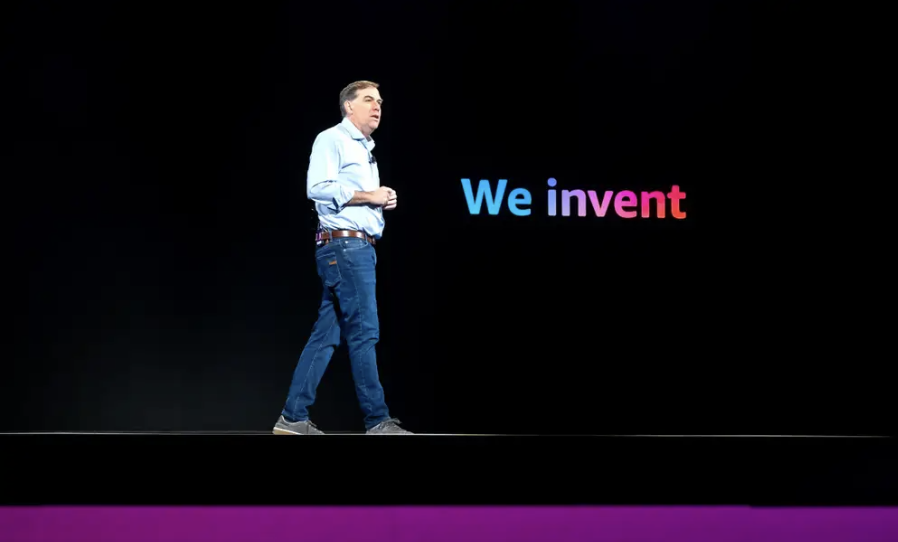
Vice President Terk Terkowitz stated that AI is transforming the software industry faster and more profoundly than the transition to cloud computing.
Amazon calls this new phase the “Renaissance Developer” era, where engineers combine human judgment with machine intelligence to develop products.
Previously, Amazon tracked AI usage, token consumption, lines of code, and internal leaderboards to drive technology adoption.
However, these metrics can incentivize “tokenmaxxing” behavior, meaning consuming many tokens to improve performance reviews without creating real value.
The new guidelines emphasize that high AI usage can increase costs, while writing more code can make software unnecessarily complex.
Amazon still requires AI to be integrated into daily software development operations but prioritizes quality, delivery speed, and business impact.
Engineering leaders must directly use AI in practical work, understand technological limitations, and guide employees in choosing appropriate application methods.
Amazon recommends analyzing the bottom 10% least AI users and the top 10% highest users to identify the reasons behind efficiency differences.
Engineers can demonstrate professional competence by explaining instances where AI has failed to provide benefits,rather than using the technology as a mere formality.
📌 Conclusion: Amazon is shifting from measuring AI usage to evaluating the actual value generated by AI. Token volume, lines of code, and usage frequency are merely intermediary metrics and do not directly reflect productivity or business efficiency. The “Renaissance Developer” era requires engineers to be both AI-proficient and capable of independent judgment. The key management lesson is not to turn AI usage rates into performance targets, but to measure product quality, completion time, costs, and customer value.


