



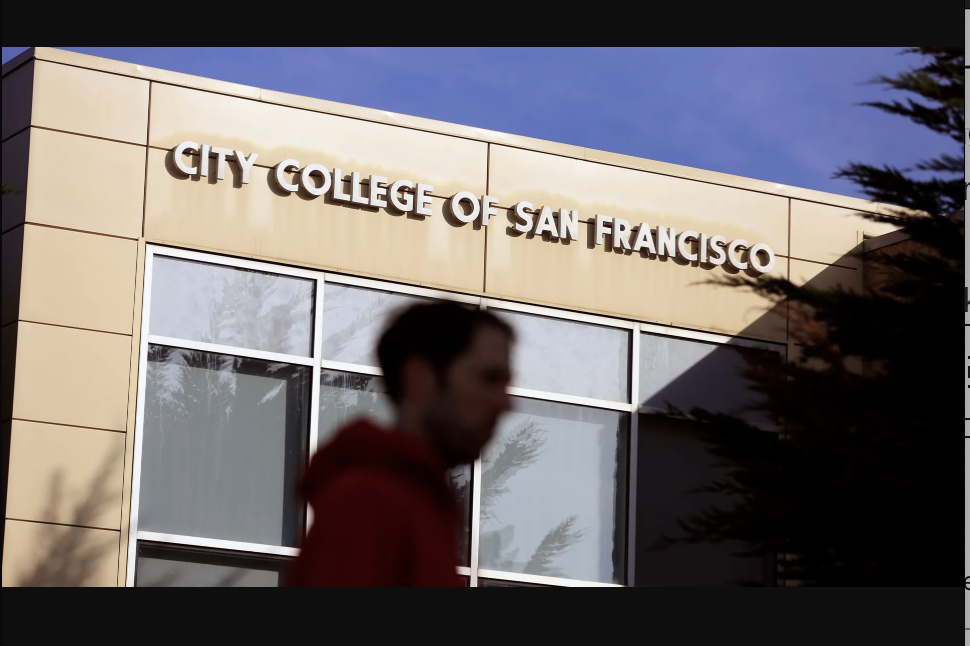
- The California Community Colleges (CCC) system, comprising 116 colleges with over 2.1 million students, is partnering with the company Nectir to deploy a free learning AI for students and faculty. This is the largest step to date in integrating generative AI into public education in the U.S.
- Nectir provides a 24/7 AI teaching assistant capable of offering personalized responses, homework guidance, explaining course content, and providing administrative support like information on scholarships and career guidance.
- Each instructor can train the AI with their own syllabus or combine LLMs like ChatGPT, Claude, and Gemini, while also setting rules, such as: “Do not give direct answers” or “Use the Socratic method.”
- The system complies with FERPA, the law protecting student privacy rights, ensuring data is not shared with third parties and that instructors cannot view students’ chat histories.
- Nectir integrates a “prompt library”—a collection of pre-made guides—so instructors don’t have to start from scratch. A Native American history professor customized the AI to eliminate cultural bias and stereotypes in the teaching content.
- According to a trial at Los Angeles Pacific University, students who used Nectir for one semester saw: a 20% increase in GPA, a 13% increase in final exam scores, and a 36% increase in intrinsic motivation.
- Co-founder Kavitta Ghai said Nectir was born from her personal experiences with autism and ADHD, with the desire to create a classroom suitable for everyone. Ghai emphasized: “AI is only effective when instructors clearly understand how to guide students to use it responsibly.”
- The CCC will organize regular training to help faculty and students get acquainted with the tool, with plans to expand it system-wide in the 2026 academic year.
📌 Summary: The California Community Colleges system, with 116 colleges and over 2.1 million students in the U.S., is partnering with Nectir to deploy a free learning AI for students and faculty. This signals a new wave in public education: personalized learning and more equitable access, but it also demands ethical AI training and bias control. An initial trial showed a 20% increase in GPA, a 13% increase in final exam scores, and a 36% increase in intrinsic motivation, reinforcing the belief that AI can bridge educational opportunity gaps.


