



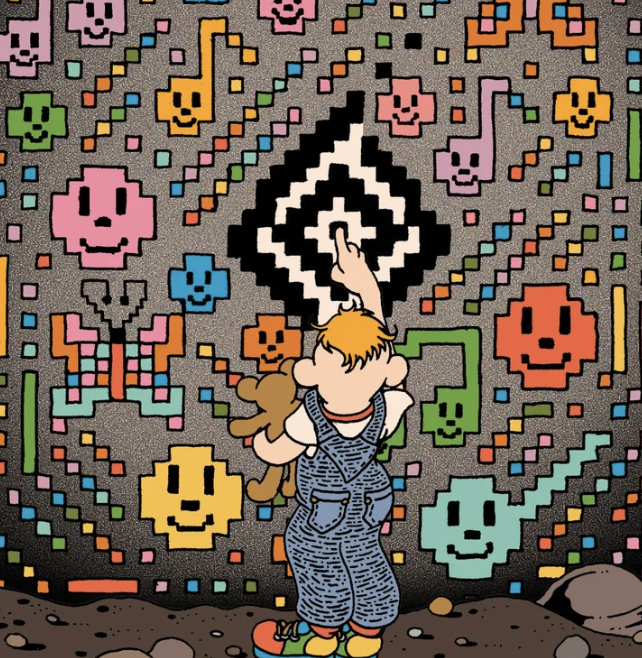
- YouTubers are using generative AI tools like ChatGPT and automated video generators to mass-produce “educational” videos for children aged 1–3, earning hundreds of USD daily. For example, Monique Hinton only needs to input a few prompts for AI to write “catchy nonsense” songs, create colorful animations, and upload them to her channel with over 1 million followers.
- Data from the Pew Research Center shows that YouTube is the fastest-growing platform among children under 2: 60% of US parents with children under 2 report that their child watches YouTube, and over a third watch daily.
- A 2025 Fairplay survey found that 70% of infants are exposed to screens using YouTube or YouTube Kids — even though the platform is officially intended for ages 2–12. This helps Alphabet (Google) “cultivate lifelong users” from when children are pre-verbal.
- After YouTube Kids banned targeted advertising in 2019, many creators shifted to posting children’s content on the main YouTube platform to still earn revenue from general advertising or YouTube Premium subscriptions.
- A “mini industry” has formed around producing cheap AI videos for young children, with “experts” instructing how to create attention-grabbing content like “Baby Shark” to attract massive views.
- Educational experts warn: a child’s brain develops 90% before age 5, so early exposure to “AI slop” – low-quality, repetitive, and meaningless generative content – can affect language, cognitive, and emotional development.
- The American Academy of Pediatrics (AAP) recommends that children under 2 should have “minimal to zero” screen time. Expert Rachel Franz (Fairplay) emphasizes: “If a child’s brain is being ‘programmed’ with meaningless content, they will have a distorted understanding of reality.”
- Parents like Stephanie Schneider (New York) fear their child “can no longer distinguish between real and fake,” while Judah Abraham reports that YouTube Kids still features “overly stimulating” videos, affecting his child’s attention span.
- YouTube asserts that it has “quality guidelines” and uses a combination of human and machine moderation, emphasizing that “not all AI content is junk.” However, critics argue that the recommendation algorithm still prioritizes colorful, sensational videos to maximize watch time.
- Verified YouTubers like Isabella Kotsias and Odetta Rockhead-Kerr are instructing others on how to “make money with AI content for young children,” reinforcing concerns about a “virtual video economy” for infants.
📌 Summary: A child’s brain develops 90% before age 5, so early exposure to “AI slop” – low-quality, repetitive, and meaningless generative content – can affect language, cognitive, and emotional development. YouTubers are using generative AI tools like ChatGPT and automated video generators to mass-produce “educational” videos for children aged 1–3, earning hundreds of USD daily. With over 60% of children under 2 watching YouTube, “AI slop” is becoming a potential risk to brain development. While the platform commits to moderation, the reality shows that the algorithm still prioritizes profit and views over educational quality.


