


- The traditional linear career model is being replaced by a flexible “career portfolio,” where real-world impact matters more than job titles or seniority.
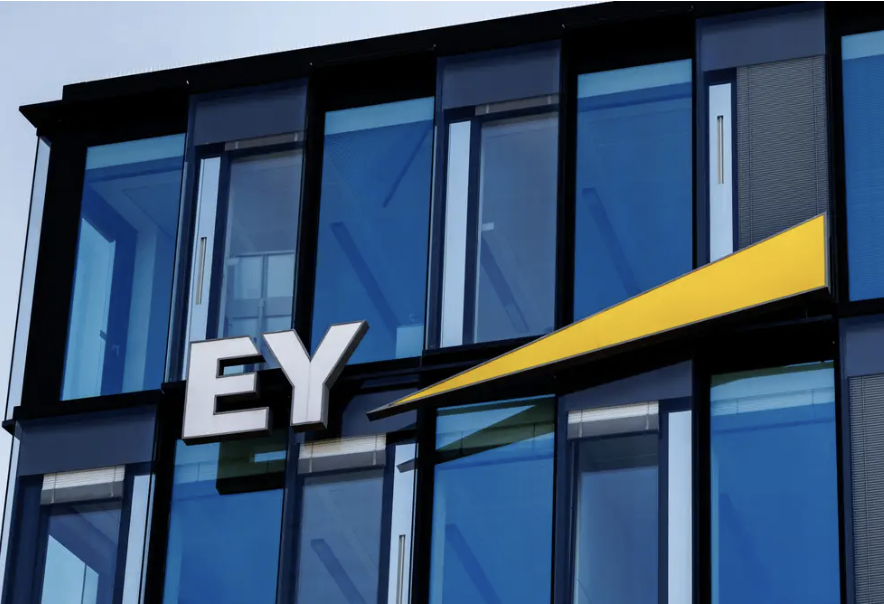
- EY is testing “agile promotions” – flexible promotions based on skills and contributions, independent of tenure.
- The company applies skills-based assessment for new candidates to determine their ability to adapt to AI.
- Management roles are changing rapidly: moving beyond administration to creating a safe environment for employees to experiment with AI and learn from mistakes.
- Employees are encouraged to focus on analysis, decision-making, and data storytelling instead of manual tasks like creating slides or basic research.
- EY is investing approximately $1 billion in talent and technology, including salary increases, AI platforms, and training programs.
- The workforce is expanding and becoming more diverse: including not only accountants but also engineers, tech experts, non-degree holders, and neurodiverse groups (viewed as a cognitive advantage in the AI era).
- At Boston Consulting Group, nearly 90% of employees have used AI and about 50% use it daily, showing that AI has become a “mandatory standard.” 📌 Conclusion: Consulting firm EY is demonstrating a major turning point: AI is not only changing work but also redefining how people grow their careers. Promotion is now based on skills and impact rather than seniority, while recruitment focuses on AI adaptability. With a $1 billion investment and similar trends spreading to firms like BCG, the “flexible career + AI” model could become the new standard for the global labor market.


