


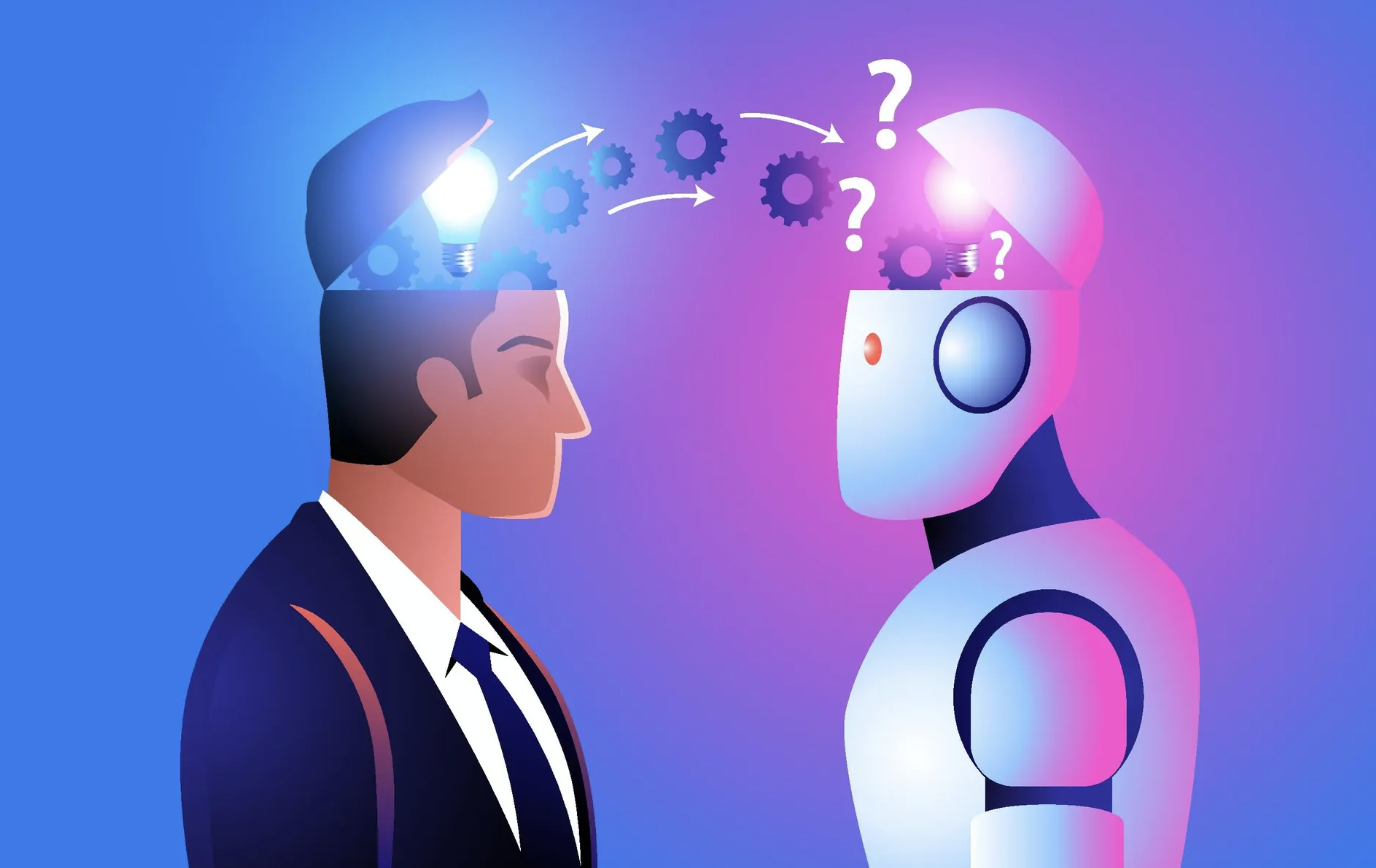
- According to an article by Robert Reiss in Forbes on 6 November 2026, AI is creating a divide between leaders who delegate their thinking to technology and those who use AI to strengthen their analytical, critical-thinking and decision-making abilities.
- The author says he developed an AI assistant named Sage to practise thinking for 15 minutes every morning. Through this process, he found that he began asking better questions and identifying patterns he had previously overlooked.
- The first principle is that AI should enhance human judgment, not replace independent thinking. Phil LeBrun, former CIO of McDonald’s, recommends that leaders use AI as a sparring partner, particularly when considering important or difficult-to-reverse decisions.
- Jonathan Liebert, author of Thought Partner, emphasises that AI is not an all-knowing source of knowledge but a tool for developing ideas. CEOs should ask AI to challenge assumptions, identify gaps in reasoning and highlight overlooked factors.
- The second principle is that human capabilities become increasingly important as AI advances. Professor Annabelle Gawer of the University of Surrey argues that emotions and subjectivity are fundamental characteristics that give human leadership its value.
- Dan Smith, CEO of Brooklyn Water Bagel Company, believes AI can support data-driven decisions but cannot independently build corporate culture, trust, imagination or meaningful customer relationships.
- The third principle is that CEOs can delegate tasks and decisions to AI, but cannot transfer ultimate accountability. Sol Gindi, a leader at Wells Fargo Advisors, stresses that businesses must remain responsible when AI systems cause problems.
- Experts recommend setting clear limits on AI agents’ authority, defining which tasks can be automated and maintaining human oversight of decisions that significantly affect customers or businesses.
📌 The article highlights the difference between using AI to replace thinking and using it to improve the quality of thinking. In business management, competitive advantage comes not only from the extent of AI adoption but also from leaders’ ability to think critically, innovate, build trust and take responsibility. The core principle is that AI can provide information, analysis and execution, but humans must retain the authority to exercise judgment and take responsibility for the final outcomes.
