



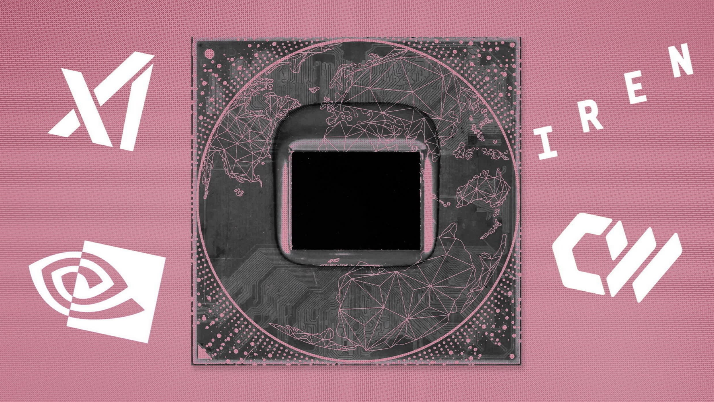
- Tech companies are increasingly using loans collateralized by GPUs—the chips used to train Large Language Models (LLMs)—to finance AI investments worth hundreds of billions of dollars annually.
- GPUs and related servers account for 30–40% of total data center project costs, according to estimates by Citigroup.
- A common model involves setting up a Special Purpose Vehicle (SPV) to purchase high-performance GPUs and then lease them back to the tech corporation itself, helping move debt off the balance sheet.
- Investors are attracted by yields ranging from “high single digits to mid-teens,” which are higher than typical tech corporate bonds.
- This trend was pioneered by CoreWeave in late 2023, as demand for AI chips and their prices skyrocketed.
- Apollo announced a $3.5 billion financing package for Valor Equity Partners’ digital infrastructure fund to purchase Nvidia GB200 superchips and lease them to Elon Musk’s xAI.
- IREN Limited raised $3.6 billion in loan commitments from Goldman Sachs and JPMorgan to buy chips for AI contracts with Microsoft.
- Contracts often include “hell or high water” clauses, forcing the lessee to continue payments regardless of changing conditions, thereby reducing the risk of the chips becoming rapidly obsolete.
- Moody’s has begun rating this type of debt but withdraws the ratings once the lease agreements conclude.
- Significant risk: The GPU lifecycle may be shorter than the payback period; chips that are a few years old could depreciate sharply, making them hard to resell in the event of default. Some investors call this a “big gamble.”
📌 Tech companies are increasingly using loans collateralized by GPUs—the chips used to train LLMs—to finance AI investments worth hundreds of billions of dollars annually. A common model is establishing Special Purpose Vehicles (SPVs) to buy high-performance GPUs and lease them back to the tech giants, effectively moving debt off-balance sheet. Deals worth $3.5–3.6 billion highlight the massive scale of the AI race. However, with GPUs potentially becoming obsolete within 3 years and an uncertain secondary market, this model carries significant valuation and asset-lifecycle risks for investors.


