



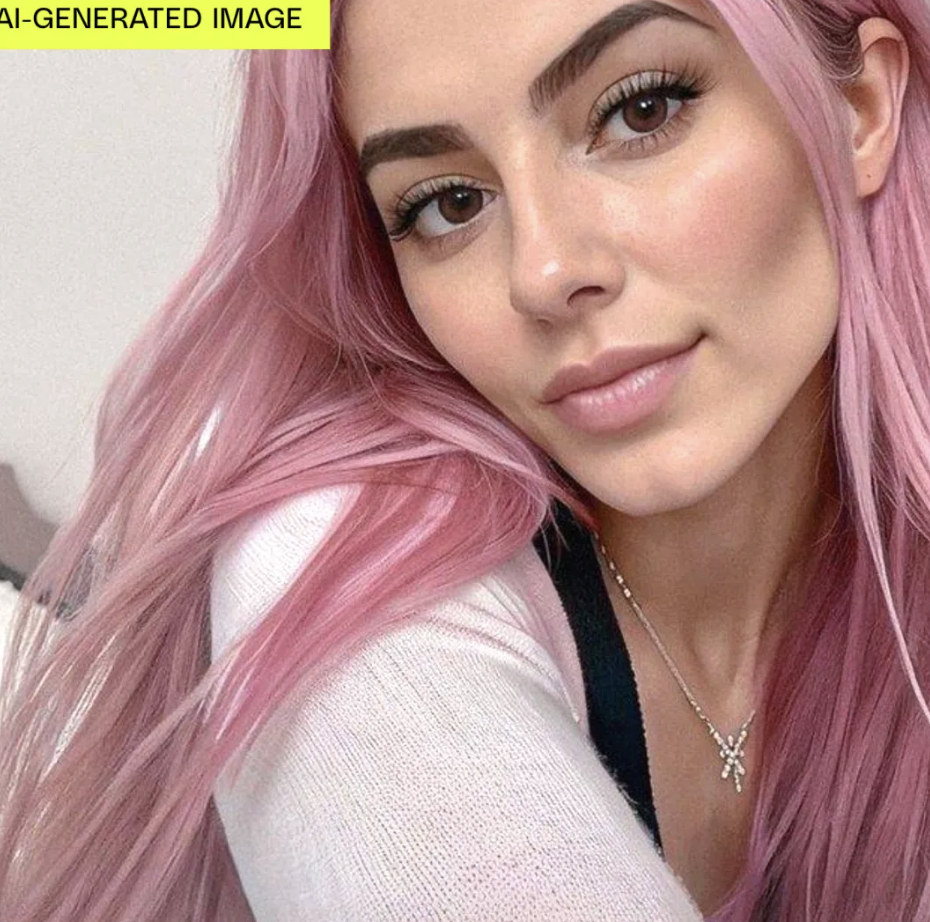
- “AI influencers” are becoming more popular and harder to identify than ever before.
- The first AI influencers, such as Lil Miquela, Imma, or Shudu Gram, were easily recognizable because of their distinct digital appearance.
- The new generation, such as Aitana Lopez or Emily Pellegrini, has an appearance and style that closely resemble real-life influencers.
- Aitana Lopez is operated by the Spanish creative agency The Clueless, which specializes in managing multiple AI personas.
- Emily Pellegrini was created by a developer who used to manage OnlyFans accounts.
- An increasing number of people are being guided on how to create AI influencers through online courses.
- AI influencers are now part of a massive wave of AI-generated content on social media.
- These accounts are used to advertise merchandise, sell courses, spread misinformation, and for various other commercial purposes.
- Some accounts target controversial content, including extreme political topics or suggestive/sensual content.
- Many AI avatars simply copy popular trends from real content creators.
- AI image, video, and voice generation technologies have advanced to the point where much of the content can deceive viewers at a glance.
- Tools from Google, OpenAI, HeyGen, Higgsfield, and ElevenLabs make creating AI influencers easy and low-cost.
- Most platforms like YouTube, TikTok, and Instagram currently only require labeling AI content instead of managing AI personas as a separate category.
- Current regulations focus on individual posts rather than the identity of the account behind them.
- The virtual influencer market is forecast by some research organizations to exceed 60 billion USD by 2030, up from around 12 billion USD today.
- This ecosystem has already seen the emergence of awards, beauty pageants, and talent management agencies dedicated exclusively to AI personas.
- The author suggests that platforms are profiting from AI-generated engagement, so they lack strong incentives to control this phenomenon.
- The European Union could exert new pressure as the EU AI Act requires greater transparency for AI-generated content.
- The article warns that if the number of AI accounts continues to grow unchecked, real users might abandon social media, undermining the very foundation of online communities.
📌 Conclusion: The rapid evolution of AI influencers from easily recognizable characters into accounts almost indistinguishable from real people. Thanks to tools from Google, OpenAI, HeyGen, and ElevenLabs, creating an “AI celebrity” has become much simpler and cheaper. While the virtual influencer market is forecast to grow from around 12 billion USD to over 60 billion USD by 2030, social media platforms still lack clear management methods beyond requiring AI content labels. This increases the risks of misinformation, public opinion manipulation, and a decline in user trust toward the online environment.


