



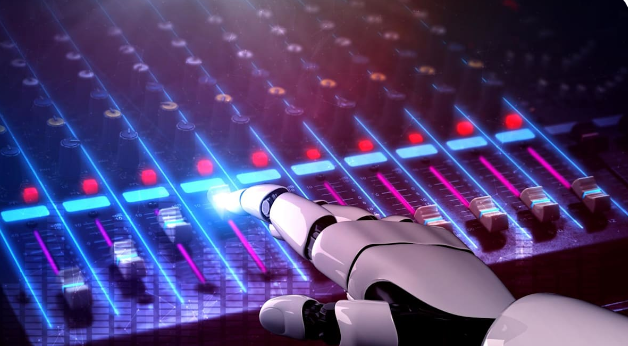
- Music studios in Singapore report that AI is helping produce content faster and cheaper, but simultaneously putting heavy pressure on revenue and creative jobs.
- Many clients are switching to AI-generated music and voiceovers instead of hiring traditional services.
- According to businesses interviewed by CNA, project budgets have decreased by 10% to 40% in many cases, with some seeing cuts up to 60%.
- Companies believe the issue is not just AI replacing humans, but AI changing the perception of the value of creative products.
- Donny Pereira, founder and executive director of plusONE, stated that AI directly impacts creative output rather than just technical processes, marking a major shift from previous tech revolutions in the audio industry.
- While technologies like digital recording software and cloud services previously increased efficiency, clients can now create their own AI tracks or voices before visiting a studio.
- Pereira noted that freelance opportunities for musicians and voice actors have dropped by 20-30% as AI allows for quick edits and multiple versions at much lower costs.
- Demand for original music composers remains relatively stable; Zynth Studios is actively integrating AI into workflows rather than resisting the trend.
- AI is used for ideation, demo tracks, project proposals, chord exploration, and overcoming creative blocks.
- Creative Director Muhammad Zahin Anwari emphasizes that AI should serve as an assistant rather than a full replacement for artists, especially useful for tight deadlines.
- Studios report that some clients who tried pure AI services eventually returned to human creators, complaining that AI voices lack emotion, expression, and naturalness.
- Zynth Studios also noted cases where clients felt AI music did not “touch the soul,” even if they couldn’t explain exactly why.
- According to Anwari, AI still cannot replicate human experiences like suffering, sacrifice, longing, or loss, which are the foundations of art.
📌 The music and audio industry in Singapore is experiencing pressure similar to many creative industries worldwide. AI reduces costs and accelerates production but also pulls down project budgets by 10% to 40%, and even up to 60% in some cases. While opportunities for freelance voice actors, musicians, and the creative community have decreased by 20-30%, many studios are choosing to integrate AI as a support tool rather than viewing it as a competitor. The interviewed businesses believe that emotion, life experience, and the ability to connect with audiences remain the greatest human advantages in artistic creation.


