


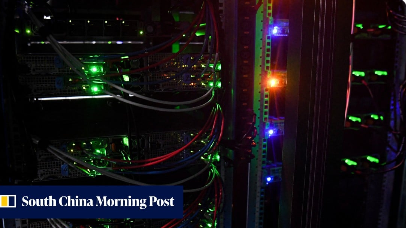
- Southeast Asia is reassessing the wave of AI data center investments after a period of intense competition to attract projects. Pressure on electricity, water, land and regulatory capacity is becoming increasingly evident.
- On September 4, Thailand suspended 166 data center projects, including 49 under construction and 117 awaiting approval, to develop national standards covering resource use, site selection, safety and economic benefits.
- In West Java, Indonesia, authorities ordered construction to stop on BDx’s 640 MW AI data center complex because key permits, including an environmental impact assessment, were still missing.
- Malaysia’s Johor state was once attractive because of its relatively cheap land, electricity and water, but the growing scale of projects is placing increasing pressure on these very resources.
- Community opposition is also mounting. One project in Malaysia received nearly 300 objections. In the Philippines, an investor withdrew a proposal for a 50 MW AI data center following opposition from residents and farmers.
- In Bangkok, authorities discovered a data center facility storing more than 200,000 liters of diesel without a permit after residents repeatedly complained about the smell.
- Experts argue that stricter regulations do not necessarily weaken competitiveness. Investors need reliable access to electricity, water, connectivity and predictable permits more than a lax regulatory environment.
- Resource scarcity is also giving governments greater bargaining power to demand local procurement, renewable energy, technology transfer and investment in domestic AI capabilities.
📌 Southeast Asia is entering the second phase of AI data center policy. The focus is no longer simply on megawatts of capacity or dollars invested, but on the net economic value generated per unit of electricity, water and land consumed. Thailand’s suspension of 166 projects and Indonesia’s halt of a 640 MW development signal an emerging principle: data centers are worth attracting only when their contributions to AI capabilities, technology, employment and supply chains are commensurate with their resource and infrastructure costs.
