



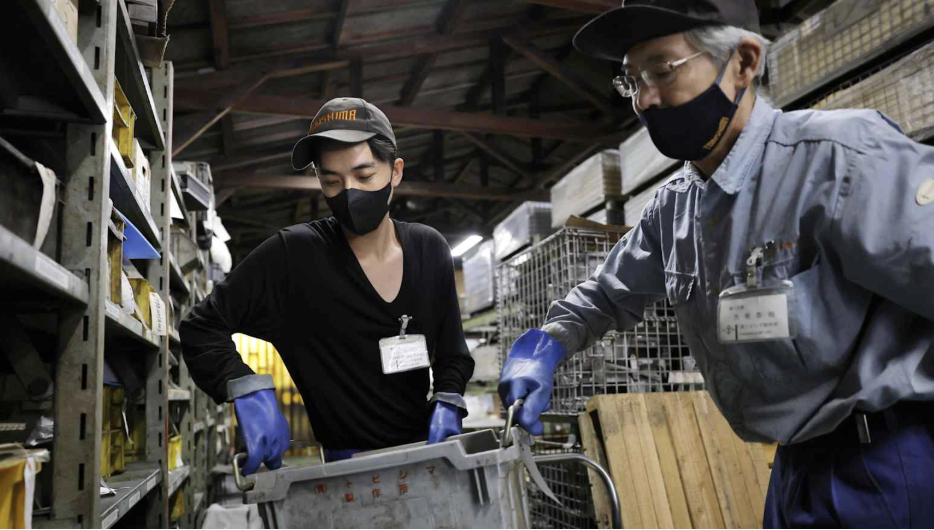
- ABeam Consulting notes that Vietnamese labor has become an indispensable link in the Japanese economy, from personnel working in Japan to outsourcing services for Japanese enterprises.
- Mr. Ryohei Oda, Director of ABeam Vietnam, stated that Vietnam’s major advantage lies in Japanese language skills, surpassing competitors like India or the Philippines in several back-office sectors.
- However, rising labor costs in Vietnam are causing businesses to consider moving to Cambodia and Bangladesh.
- A Japanese tech client recently closed an overseas factory to return to domestic production using robots to reduce operating costs.
- ABeam predicts that in the next 10-20 years, automation could cause many factories in Vietnam to close.
- The International Labour Organization (ILO) estimates that approximately 11.5 million jobs in Vietnam could be affected by generative AI like ChatGPT, especially in office work, retail, and finance.
- A seminar organized by Lao Dong Newspaper warned that up to 70% of jobs in labor-intensive industries such as garment and electronics are at risk of impact in the next decade.
- The IMF reported that Vietnam’s labor productivity declined during the 2015-2022 period due to skill mismatches, technological gaps, and complex administrative procedures.
- Japanese businesses complain that visa and work permit procedures in Vietnam delay projects by months because foreign experts cannot start work on time.
- Inconsistent tax policies and multiple interpretations create additional risks for foreign investors, while the EU has placed Vietnam on a watch list regarding tax transparency.
- Despite this, a young workforce and foreign language proficiency help Vietnam maintain its attractiveness to international investment capital.
📌 Conclusion: Vietnam holds a special position in Japan’s supply chain and labor market thanks to its young workforce and Japanese language advantages, but pressure from AI and automation is emerging rapidly. With 11.5 million jobs at risk and up to 70% of workers in the garment and electronics sectors potentially impacted over the next decade, the biggest challenge is no longer just attracting FDI, but increasing productivity, improving skills, and reducing procedural barriers to maintain long-term competitive advantages.


