



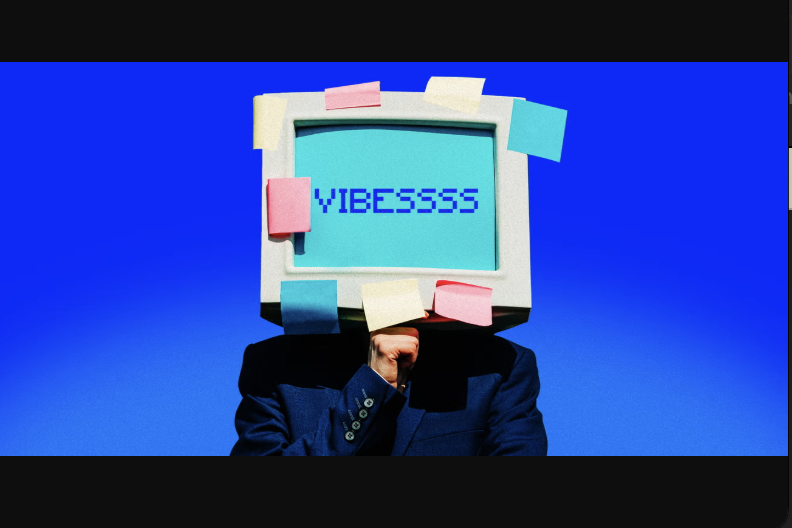
The “vibe working” trend originates from “vibe coding,” a term coined by Andrej Karpathy (OpenAI) to describe using generative AI for writing code. Sundar Pichai, Mark Zuckerberg, and the CEO of Klarna have all publicly “vibe coded.”
Microsoft introduced “vibe working” through its Agentic tools in Excel and Word, allowing users to “talk to spreadsheets” and “vibe write” documents without deep expertise.
Startups are hiring new roles like “Vibe Growth Manager,” tasked with experimenting with AI and creating rapid marketing prototypes. Some companies have even appointed a “Chief Vibe Officer” to enhance team cohesion.
“Vibening” embodies freedom, flexibility, and creativity—a sort of “Gen Z hygge” that makes office work more pleasant,but it can mislead people into thinking it’s “effortless” and requires no deep expertise.
Professor Emily DeJeu (Carnegie Mellon University) warns that “vibing” obscures the real labor involved: like jazz, it may seem improvisational but requires a solid theoretical foundation.
According to a 2024 Microsoft survey, 71% of business leaders would rather hire someone with AI skills than an experienced person who lacks AI knowledge, while only one-third of employees have received formal AI training.
Employees are self-learning AI in a “bottom-up” approach, experimenting and creating their own workflows. However,excessive “vibing” can easily lead to “workslop”—long, clean, but useless outputs.
Emilie DiFranco (Marketri) advises: AI should support, not replace, strategic thinking—”don’t just rely on the vibe; have clear data and goals.”
Vibe working is trending, but if overused, it can become “cringe.” The truth remains: no matter how much “vibe” is involved, work is still… work.
📌 “Vibe working” reflects the Gen Z wave of wanting to work flexibly and creatively with generative AI.


